Today, many companies use ERP (Enterprise Resource Planning) systems to optimize daily operations and business processes. ERP programs help companies effectively manage various functions and offer improvements in different areas. However, choosing the right ERP system can be a complex decision. In this blog, we will discuss the key factors to consider when selecting an ERP program, as well as some recommendations.
Which Companies Are ERP Systems For?
ERP systems are designed for companies of all sizes, but the needs of each company are different. ERP programs can be used in large, medium, and small businesses. Each company requires different features from an ERP system depending on its size and operational domain.
- For large companies: ERP systems are ideal for large companies with numerous departments and complex operations. These companies require data integration in areas such as finance management, supply chain, manufacturing, and human resources.
- For small and medium-sized businesses: These companies typically need simpler and more tailored ERP systems. They focus on areas such as personnel management, sales, finance, and warehouse operations.
Business Case: Azercell – ERP for a Large Telecommunications Company
Azercell, a large telecommunications company with a broad customer base and numerous operations, uses an ERP system to integrate customer relationship management, supply chain, and financial operations, helping to optimize its activities effectively.
How Can Small Businesses Use an ERP System?
For small businesses, ERP programs need to be flexible and simple. These systems help small companies manage operations such as financial management, customer relationship management, sales, and inventory more effectively. Small businesses often work with a small number of employees, so it’s important to choose an ERP system that reduces workload and increases efficiency.
Business Case: Yapı Kredi Bank – ERP for Small Businesses
Yapı Kredi Bank has implemented an ERP system for small businesses, allowing them to automate customer service, optimize sales processes, and simplify financial operations.
What Benefits Does an ERP System Offer for Medium-Sized Businesses?
For medium-sized businesses, ERP programs offer more extensive functionality. These companies already deal with a larger number of departments and operations, so ERP systems can meet a variety of needs. Here are some benefits of ERP systems for medium-sized businesses:
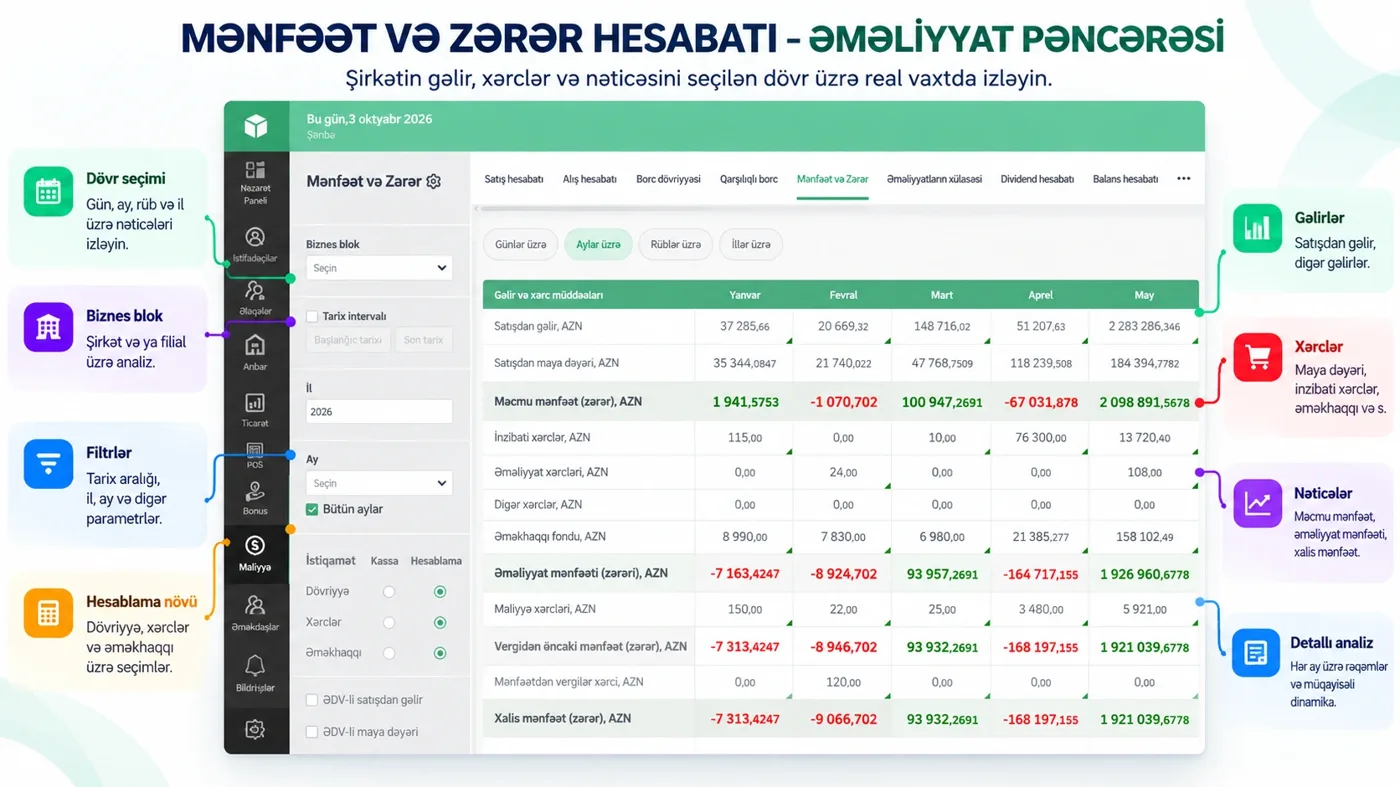
- Financial Management: Medium-sized businesses can more accurately and efficiently track financial processes.
- Inventory Management: Easily track stock, manage orders, and improve the supply chain.
- Sales and Marketing: ERP systems help gather customer data and optimize sales processes.
Business Case: Beylikdüzü Şeker Fabrikası – ERP for Medium-Sized Businesses
Beylikdüzü Şeker Fabrikası implemented an ERP system to improve production processes and manage material supplies and product sales more efficiently.
Key Features of ERP Systems for Large Companies
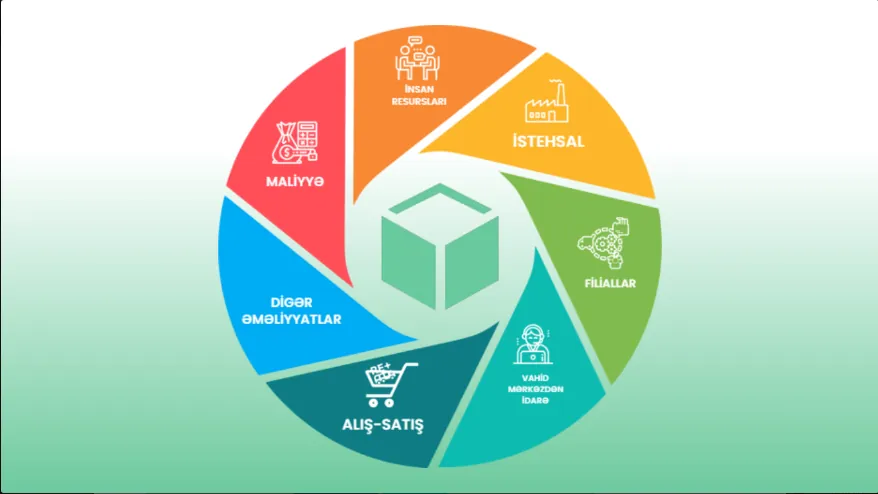
For large companies, ERP systems are more advanced and modular. This is important for organizations that operate with numerous departments and areas of activity. The key features of ERP systems for large companies are:
- Module Selection and Customization: Availability of various modules to meet the needs of different departments.
- Data Integration: All data is collected in one central system for analysis and processing.
- User Experience: In large companies, the ERP system must be easy to use for many employees.
- Security and Reporting: Ensuring data security and providing accurate reporting.
Business Case: SOCAR – ERP for a Large Company
SOCAR, a large energy company, uses an ERP system to integrate operations across various sectors, such as supply chain management, energy production, and customer service.
Best Practices and Recommendations When Choosing an ERP
When selecting an ERP program, the following best practices and recommendations should be considered:
- Clearly Define Your Company’s Needs: Before selecting an ERP program, it’s important to define your company’s needs and goals, as every organization is unique.
- Choose User-Friendly Programs: It’s important to select a simple and understandable program that all employees can use.
- Select Systems That Support Growth: If your company is growing, it’s worth investing in an ERP system that can expand in the future.
- Security and Support: Ensure high data security and choose a system with reliable technical support.
Business Case: Qəbələ Elektrik Stansiyası – Recommendations for ERP Selection
Qəbələ Elektrik Stansiyası chose the right ERP system to integrate production, supply chain, and sales management on a single platform, while preparing forecasts for future expansion.
Choosing the right ERP software plays a crucial role in your company's technological advancement and operational efficiency. Taking into account your company’s size, needs, and future growth, selecting the appropriate ERP solution lays the foundation for long-term success.