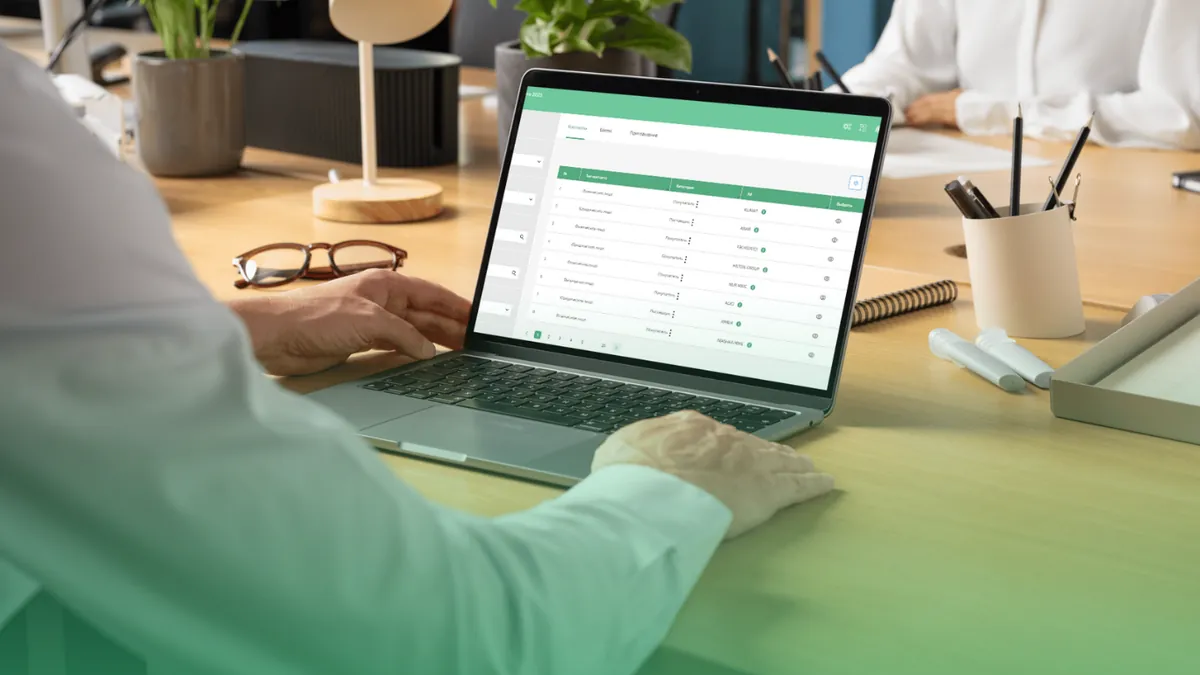
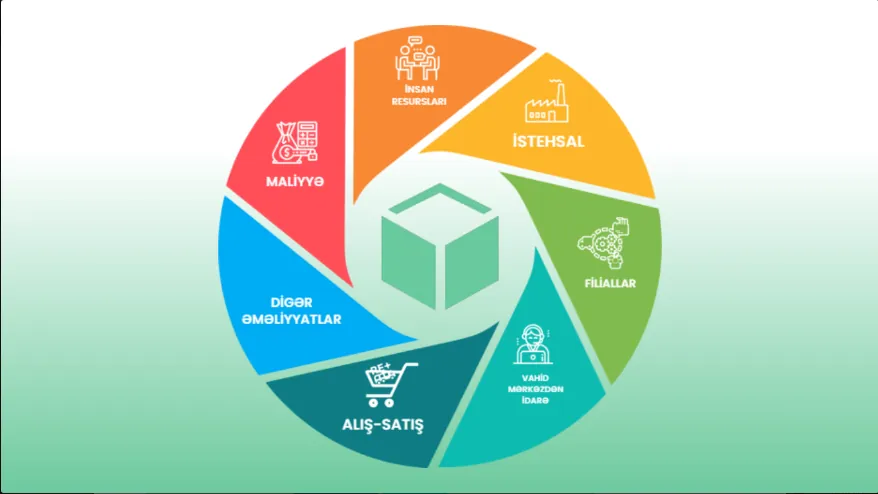
To determine whether an ERP system is suitable for your business, it is important to consider key criteria such as functionality, scalability, ease of use, and cost.
ERP Selection Criteria:
- Compatibility with Business Needs – For example, BMB Manufacturing" factory requires ERP for warehouse and production management, while TERMO Retail" focuses more on sales and CRM modules.
- Cloud-Based or On-Premise ERP? – "GlobalTech Solutions" prefers cloud ERP, while "M-Trade LLC" chooses on-premise solutions.
- Modular ERP Expansion – "FastShop" retail company extensively uses sales and customer management modules, unlike "SteelWorks Ltd." manufacturing plant.
- Types of ERP Systems and Technological Flexibility – "StartupCo" prefers simple ERP solutions, whereas "MegaCorp" requires more complex systems.
Simplify Financial Management with ERP
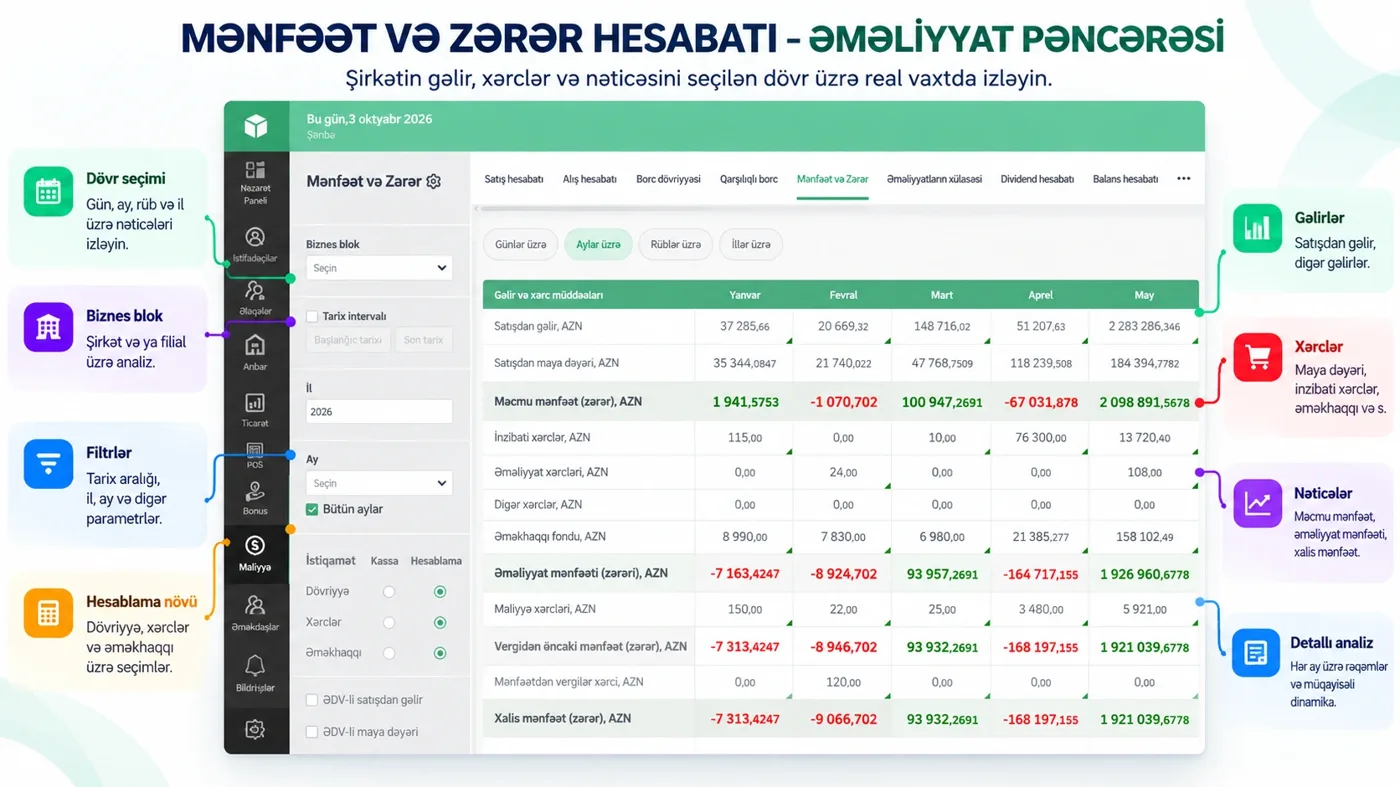
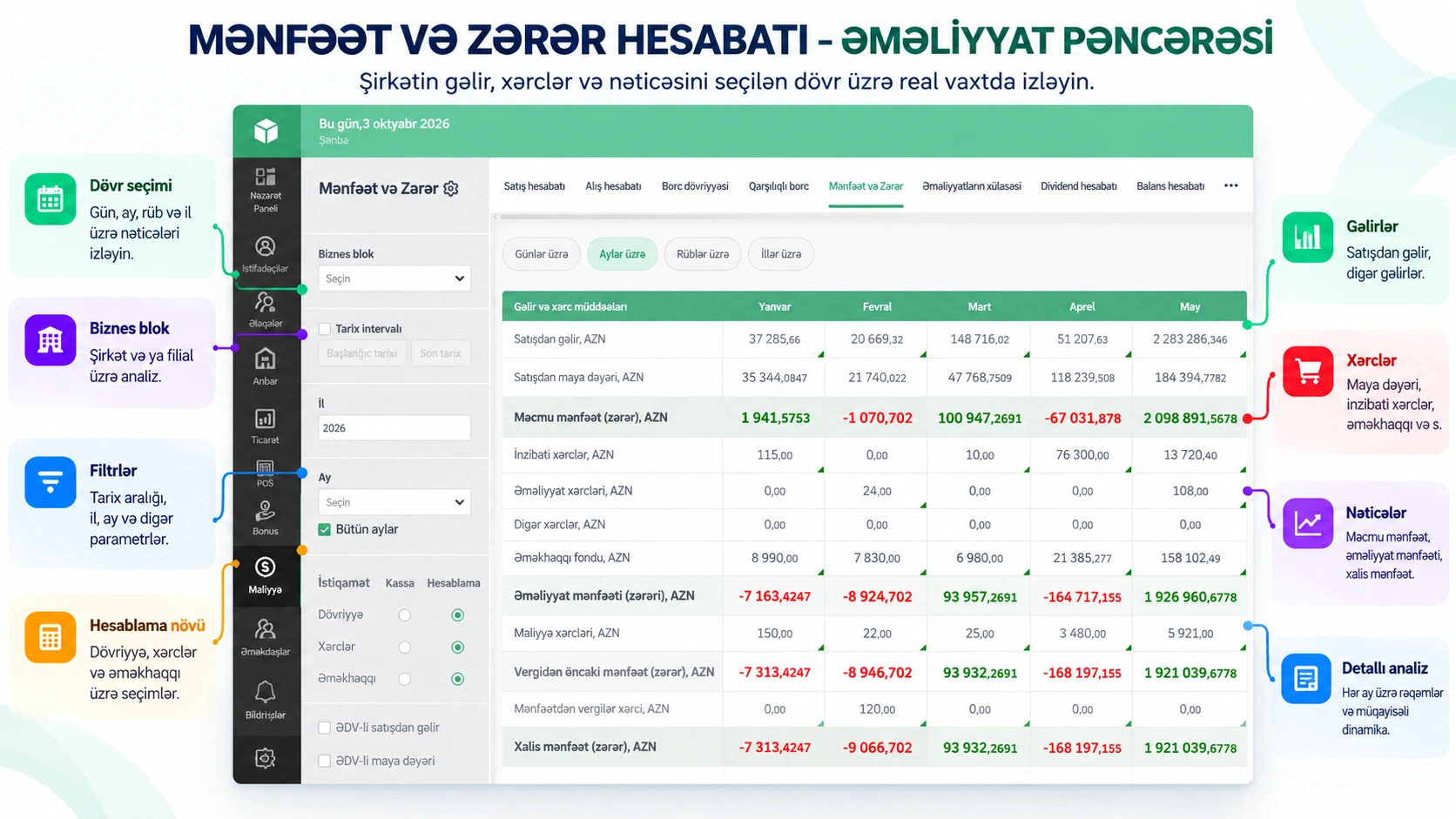
ERP systems automate financial management by accurately tracking customer payments, expenses, and accounts.
Key Benefits of Financial ERP Systems:
- Automated Accounting Functions – Ensures accurate financial reporting.
- Optimized Procurement Management – Helps reduce costs.
- Automated Tax and Financial Reporting – Minimizes errors and saves time.
Example: The "GreenMart" supermarket chain automated cash flow management with ERP, reducing annual reporting errors by 40%.
The Role of ERP in Human Resources and Payroll Management
Efficient human resource management is essential for business success. ERP systems help track payroll, work schedules, and employee performance.
Example: "SteelWorks Ltd." manufacturing plant improved employee performance evaluations by 60% through ERP, optimizing workforce planning.
Optimize Inventory and Warehouse Management with ERP
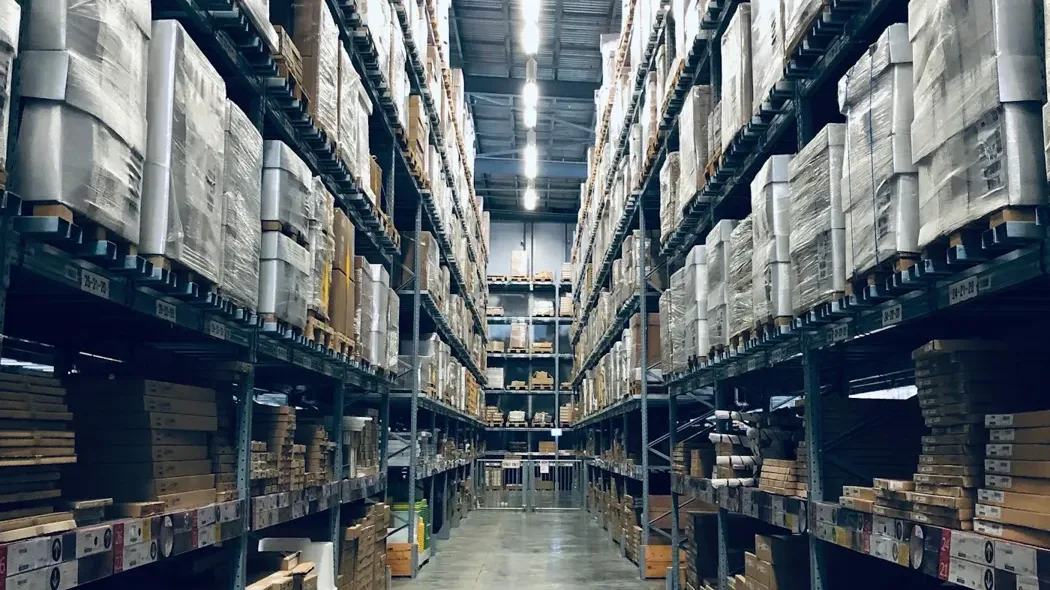
ERP simplifies warehouse management by accurately tracking stock levels and order balances.
Example: The "TechStore Electronics" retail chain improved stock counting accuracy by 30% with an ERP warehouse module, reducing losses by 20%. This allowed better inventory control and timely order fulfillment.
Enhancing Sales and Customer Relations with ERP
ERP systems improve customer database management. Integration with CRM strengthens customer data tracking.
Example: The "ServicePro Solutions" service company enhanced customer relationship management by 50% using ERP, increasing sales by 35%. The company tracked customer history and applied a personalized approach, boosting satisfaction rates.
ERP software provides businesses with centralized management, more accurate analytical decision-making, operational optimization, and a competitive advantage. Choosing the right ERP system is one of the key steps toward your company’s long-term success.