As a business grows, its operations become more complex. The number of orders increases, documentation takes more time, and warehouse and financial reporting become more difficult. In such cases, many companies turn to hiring new staff. However, this often doesn’t solve the problem — instead, it increases costs and complicates management further.
In reality, the need is not for more manpower, but for smarter systems. This is where ERP (Enterprise Resource Planning) systems become the ideal solution.
Let’s look at how ERP can help reduce the need for additional staff:
1. Automation of Processes
ERP systems automatically handle repetitive and time-consuming tasks. For example:
- Automatic generation of e-invoices and e-waybills
- Systematic tracking of warehouse in/out movements
- Automated calculation of monthly salaries and payments
These operations no longer require additional staff to manage.
2. Improved Interdepartmental Communication
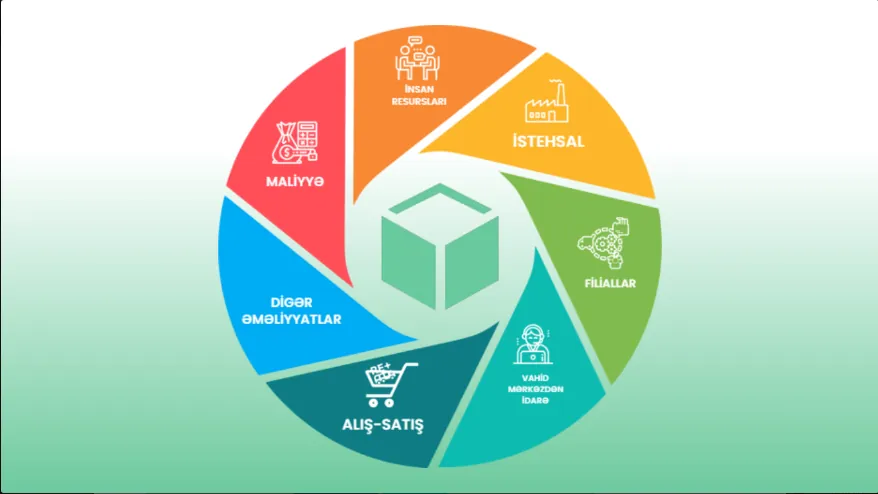
In an ERP system, all departments (finance, sales, warehouse, HR, etc.) work in an integrated manner. Previously, one department had to manually verify another's work. Now, these chains are built into the system, reducing staff needs.
3. Fast Reporting and Analysis
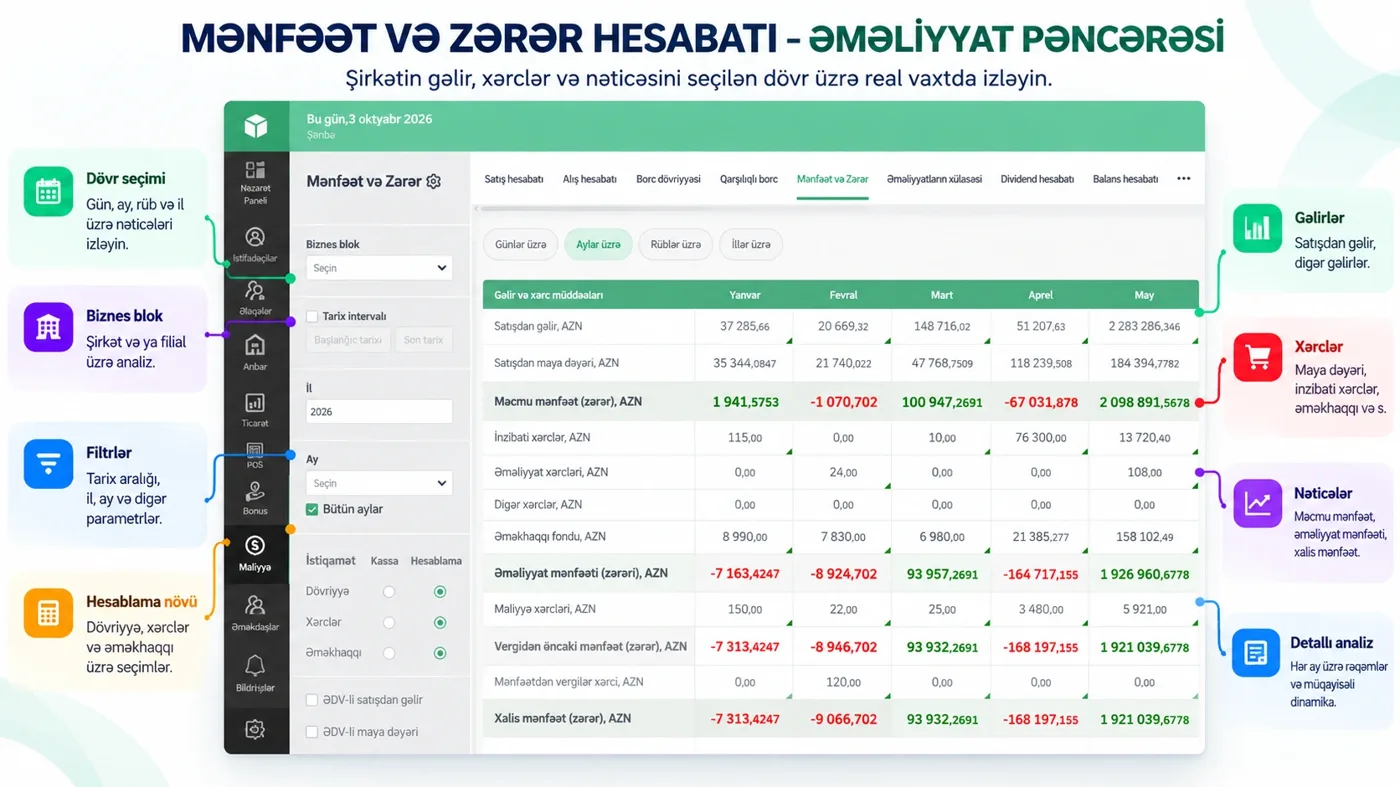
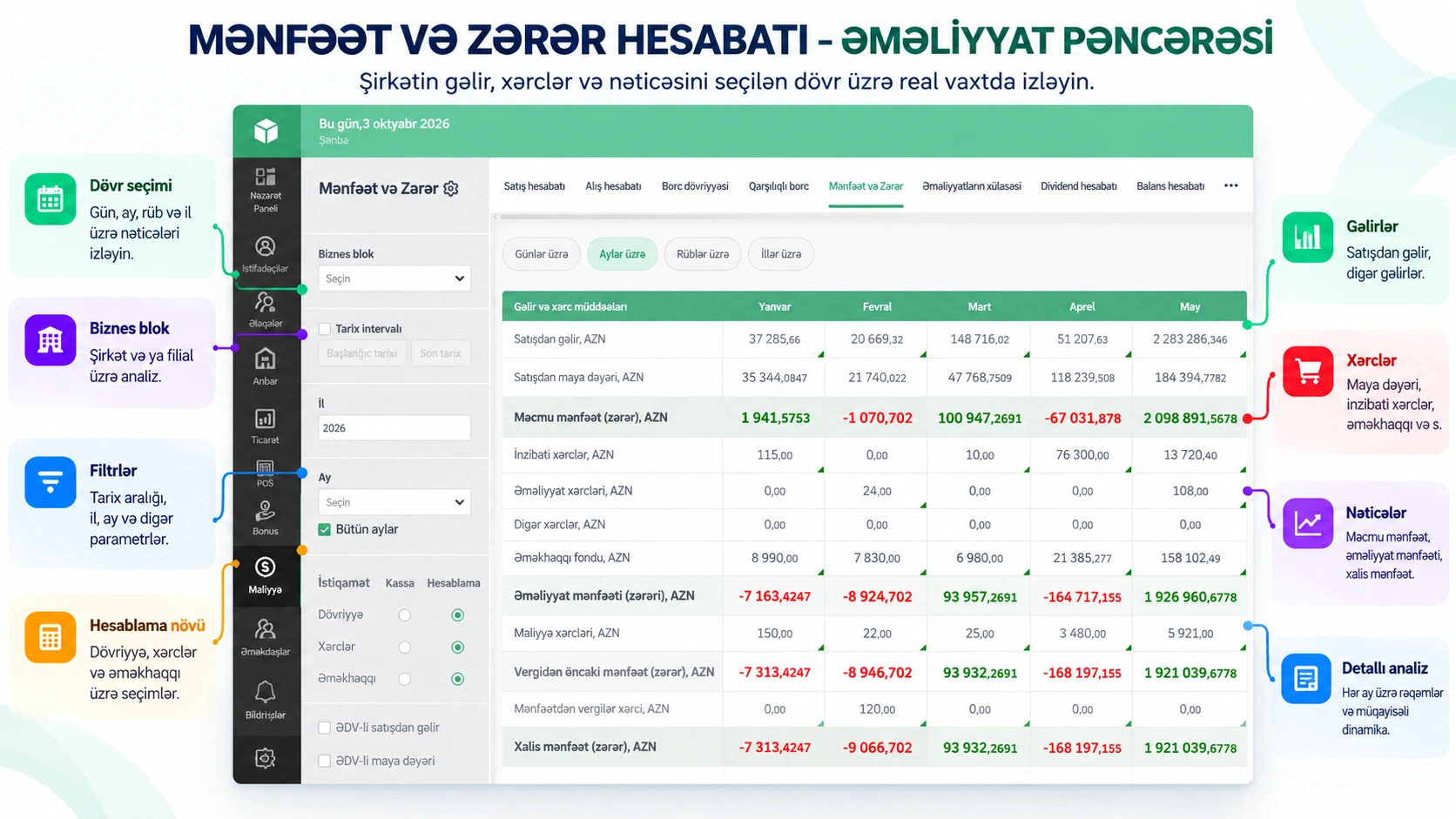
Many companies employ staff solely for preparing reports. ERP systems generate accurate and visual reports with just a few clicks — significantly minimizing the need for extra personnel.
4. Increased Employee Productivity
ERP systems simplify daily tasks for employees. As a result, one person can handle more work, reducing the demand for new hires.
5. Remote and Flexible Work Capabilities
With a cloud-based ERP, employees can access the system from anywhere and fulfill their duties. This reduces the need for physical offices and on-site staff.
6. Savings on Payroll and Social Expenses
Hiring new staff doesn’t just mean paying salaries. Taxes, social contributions, office equipment, workspace arrangements, and more — all add to expenses. ERP helps you avoid many of these costs.
Conclusion
Hiring new employees is sometimes not a necessity but a result of poorly managed processes. ERP systems bring structure and control, allowing your existing team to achieve more with fewer resources.