The correct selection of accounting systems in business operations is one of the key factors in ensuring successful management and financial stability. In particular, the establishment of management accounting and financial accounting systems should be determined in accordance with the business objectives, field of activity, and organizational structure. There are several important criteria for selecting these systems, and a detailed analysis of these criteria facilitates the decision-making process.
1. Business Activity Sector and Size
The sector and size of the business play a crucial role in selecting accounting systems. Small and medium-sized enterprises (SMEs) often prefer simplified accounting systems, whereas large companies require complex and integrated management and financial accounting systems.
- Manufacturing enterprises – Management accounting is essential for cost tracking and calculating product costs.
- Service sector – Financial accounting is critical for tracking revenue and expenses.
- Retail business – Inventory tracking and turnover require the integration of management accounting systems.
2. Management Objectives
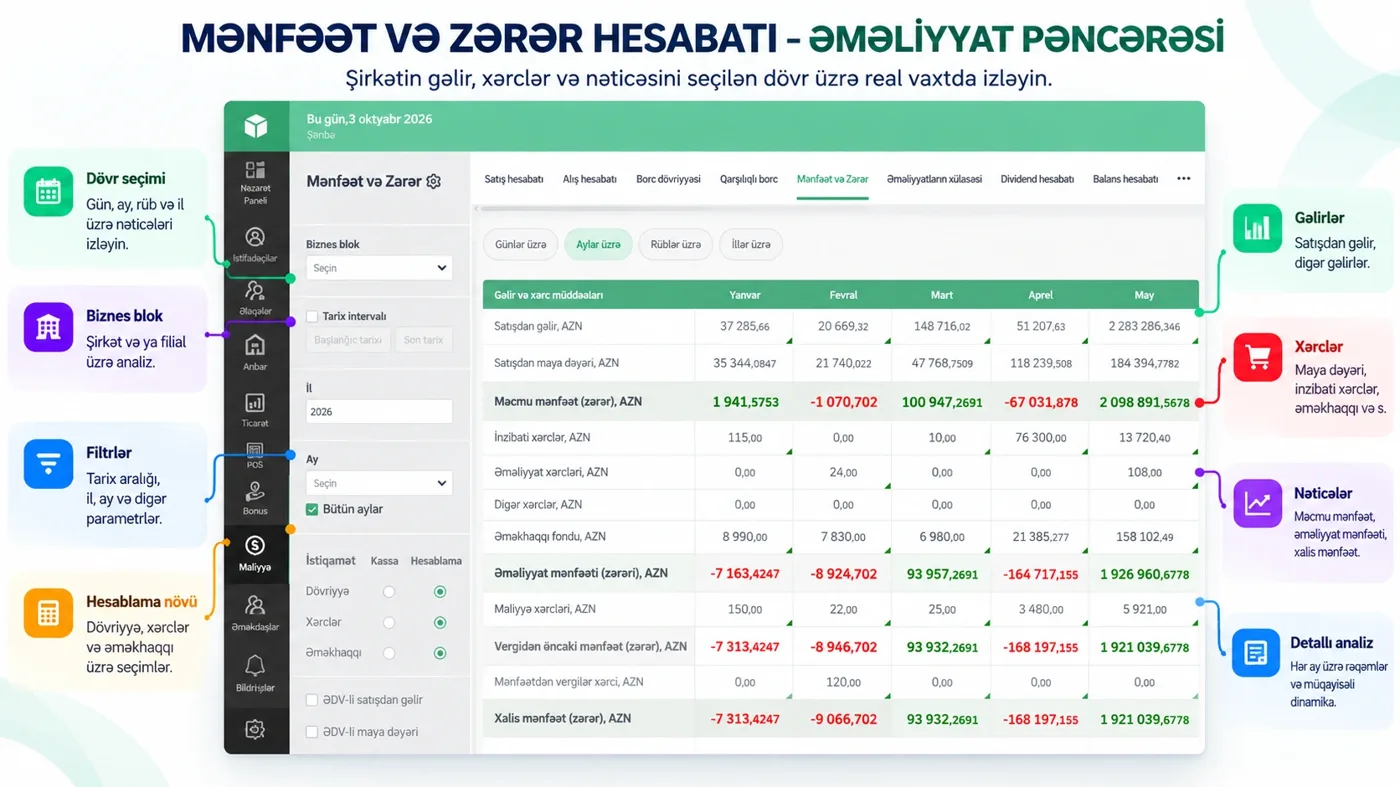
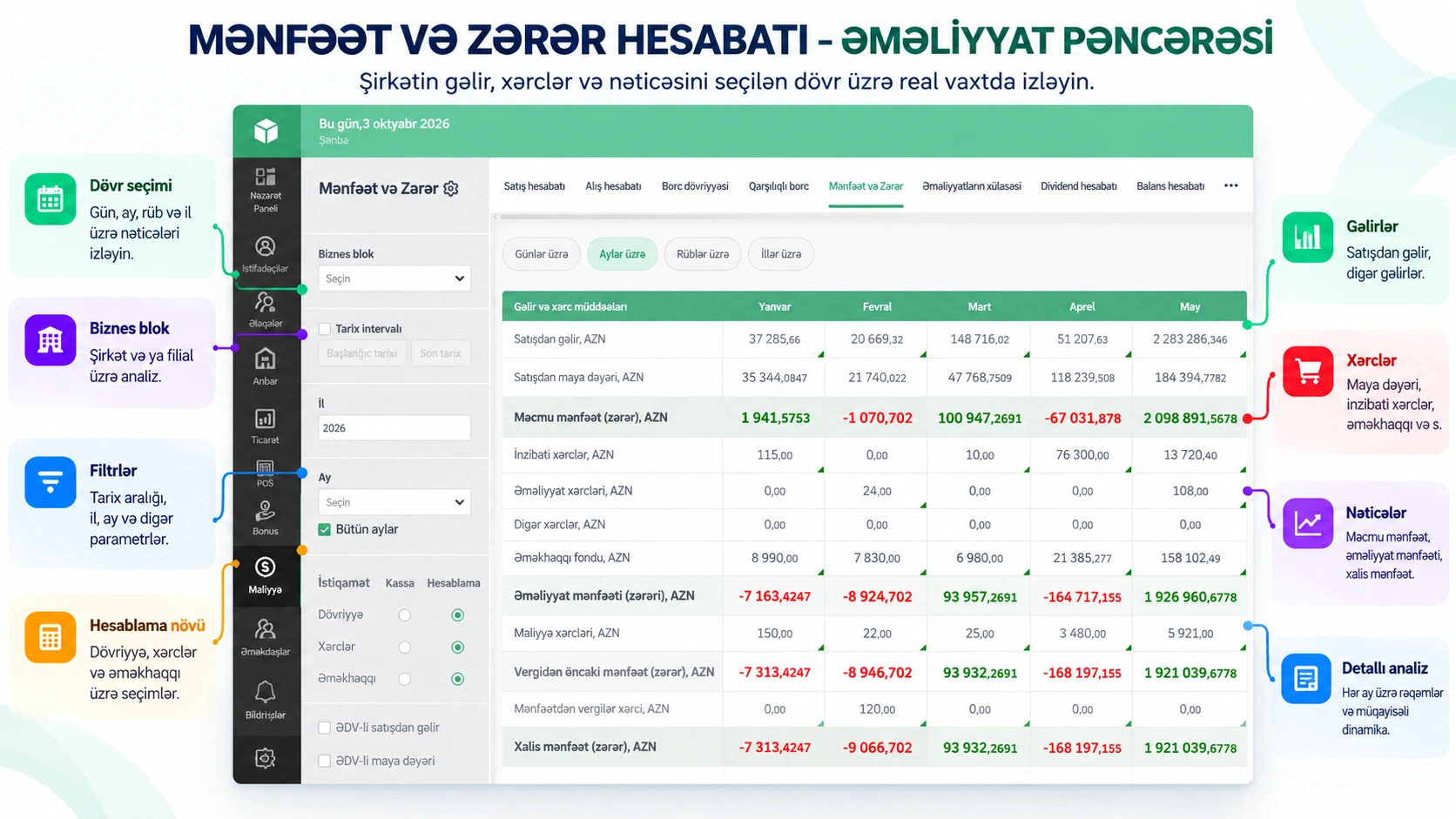
Management accounting provides business owners and managers with detailed information for decision-making. If a company focuses on operational management and strategic planning, management accounting should be prioritized. Conversely, for businesses that focus more on legal and tax obligations, financial accounting is more critical.
- Internal reporting and strategic decisions – Management accounting systems enable managers to conduct detailed financial analyses across different areas of the business.
- Compliance with tax and legal requirements – Financial accounting ensures accurate reporting to tax authorities.
3. Regulatory and Legal Requirements
Financial accounting systems must comply with national accounting and tax regulations. Therefore, financial accounting software should align with international standards (IFRS, GAAP) and local laws.
- International companies – Must use financial accounting systems that comply with IFRS standards.
- Local businesses – Should adopt systems based on the country’s accounting regulations.
4. Technological Integration and Automation
Modern businesses significantly benefit from automating accounting systems and integrating them with other business processes.
- Cloud-based accounting systems – Provide long-term flexibility and remote management capabilities.
- Integration with ERP systems – Software like SAP, Oracle, and 1C combines management and financial accounting.
- Analytical capabilities – Modern systems should allow future forecasts and financial performance analysis.
5. Financial Resources and Budget
The financial capabilities of companies also play a crucial role in selecting accounting systems. Small businesses should opt for more affordable and user-friendly software, while large enterprises can invest in complex and expensive ERP systems.
- Small businesses – Can use simplified programs like QuickBooks or Zoho Books.
- Large enterprises – More complex systems like SAP, Oracle, or 1C are more effective.
6. User Knowledge Level and Training Opportunities
When selecting accounting systems, the knowledge level of employees and ease of use should be considered.
- User-friendly software – Suitable for businesses with less technical expertise.
- Systems with training and support services – Ensure employees can effectively utilize the system.
7. Data Security and Confidentiality
Data security is a top priority in accounting systems. Whether cloud-based or stored on local servers, data protection must be ensured.
- Encryption and access control – Implementing user-level restrictions and encryption methods to secure data.
- Regular backups – Preventing data loss through frequent backup solutions.
Conclusion
The selection of management accounting and financial accounting systems should be tailored to the specific needs of a business. If the business aims to enhance strategic decision-making and internal management, management accounting should be prioritized. If the main goal is financial reporting accuracy and tax compliance, financial accounting is more important. The optimal solution is to ensure proper integration of both systems.
Business owners and managers should consider the industry, regulatory requirements, technological capabilities, and financial resources when choosing an accounting system to determine the most suitable option.