In this article, we’ll explain how ERP investments can pay off in a short time, supported by real business cases and practical facts.
1. Reduced Operating Costs – [Azerbaijani Textile Company Example]
A mid-sized textile company in Baku adopted an ERP system in 2022 to streamline internal operations. Previously:
- Orders were tracked in Excel,
- Accounting and inventory were managed separately and manually.
After ERP implementation:
- Staff costs were reduced by 15%,
- Data duplication was eliminated, saving about 1,800 AZN per month,
- The ERP investment was recovered within 8 months.
2. Warehouse Optimization and Increased Turnover – [Turkish Food Company Example]
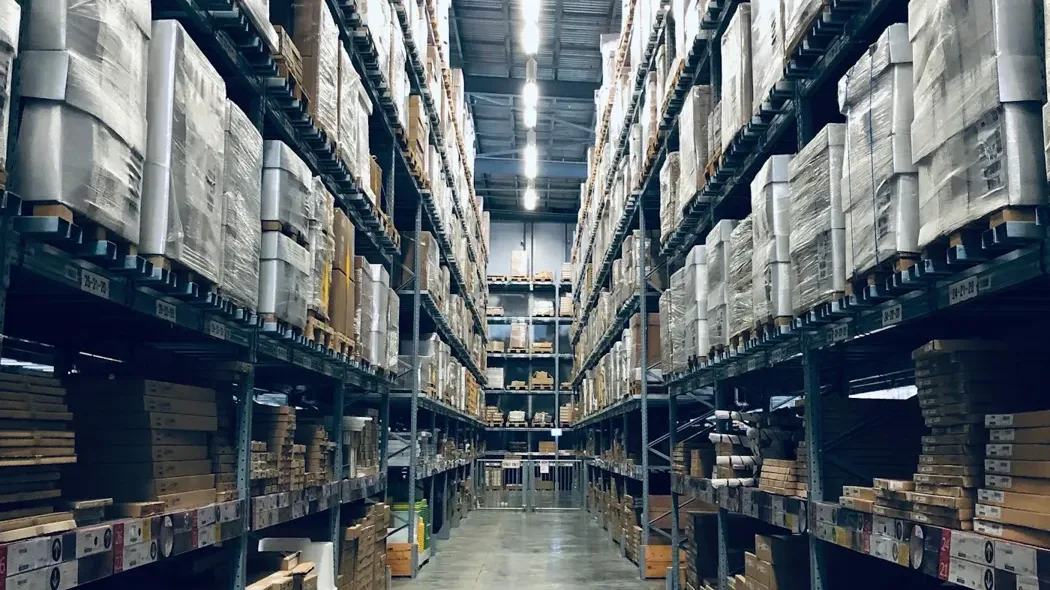
A food manufacturer in Konya, Turkey, experienced around 50,000 TL in monthly product losses due to overstocking before implementing ERP.
After ERP:
- Real-time inventory tracking enabled more accurate order planning,
- Product waste decreased by 85%,
- Out-of-stock problems were eliminated.
Thanks to these improvements, the company saved over 300,000 TL in just 6 months, fully recovering their ERP investment.
3. Faster Sales and Customer Service – [Azerbaijani Furniture Manufacturer Example]
A local furniture manufacturer integrated their entire sales-to-delivery process with ERP. Previously:
- The sales team couldn't check inventory without contacting the warehouse,
- Delivery delays led to frequent customer complaints.
With ERP:
- The sales team gained real-time visibility into stock and production,
- Order processing time was reduced by 30%,
- Customer satisfaction rose by 25%.
This led to a 20% increase in sales within 4 months.
4. Smarter Decision-Making with Better Reports – [European IT Company Example]
A mid-sized IT company in Germany implemented ERP primarily to consolidate financial reporting. After implementation:
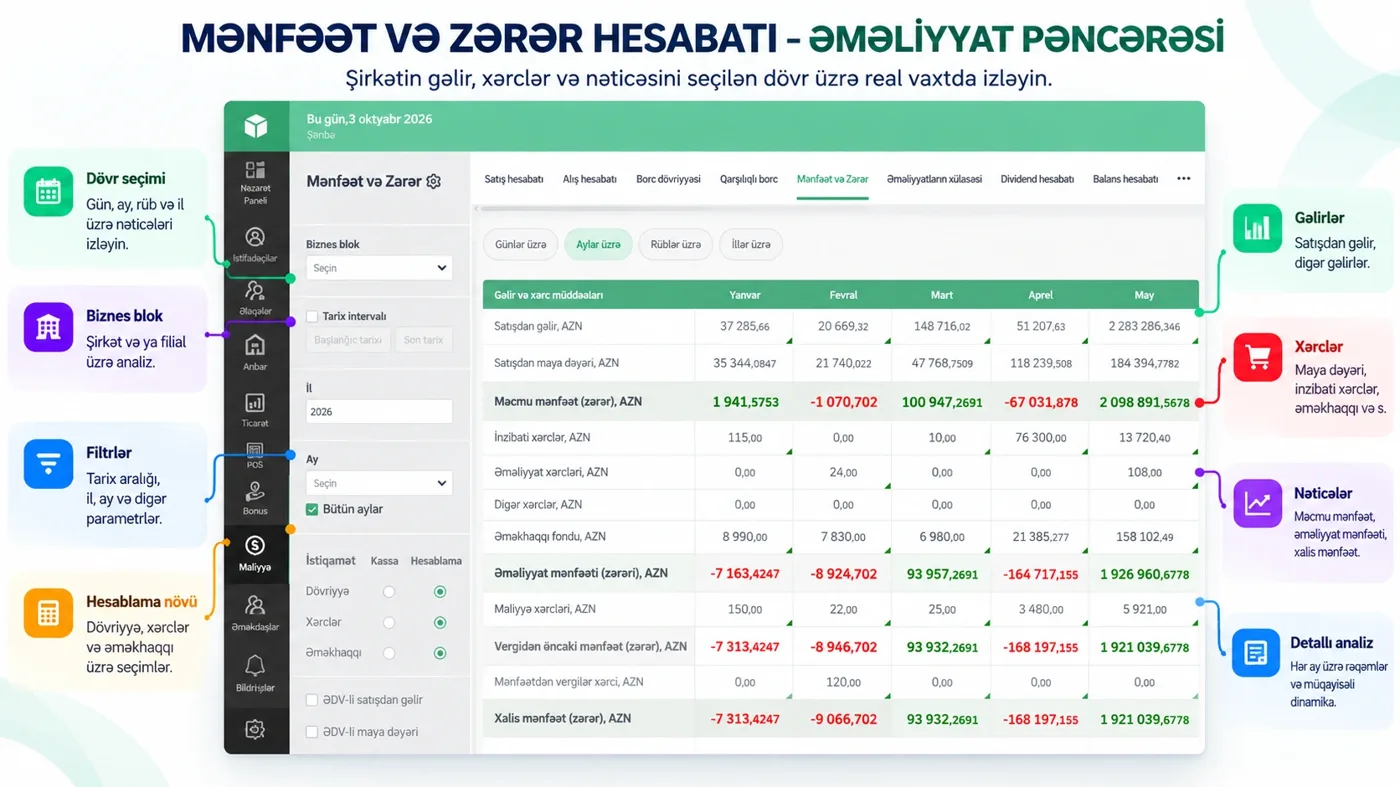
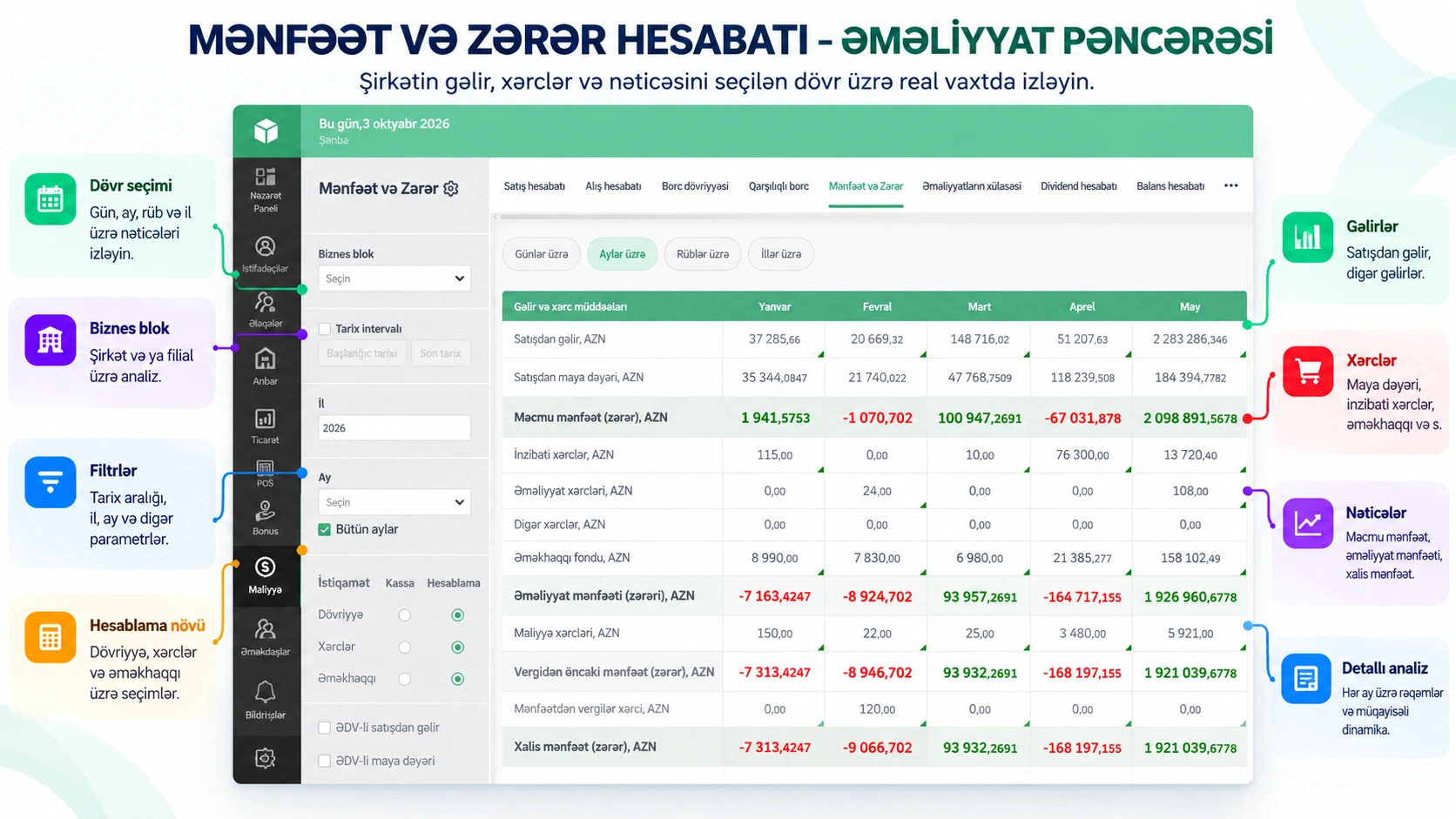
- Financial reports that once took 2 weeks were now generated in 1 day,
- Managers made faster, data-driven decisions
- Operational errors decreased by 60%.
These improvements helped the company recover the ERP investment in 7 months.
Conclusion: ERP Is Not a Cost — It's a Short - Term Gain
ERP systems are not just tools for long-term efficiency; they also bring significant short-term improvements in operations, warehouse management, sales, and decision-making.
With increased productivity and reduced costs, many businesses recover their ERP investment within 6 to 12 months — proving that ERP is not just a tech upgrade, but a smart economic move.