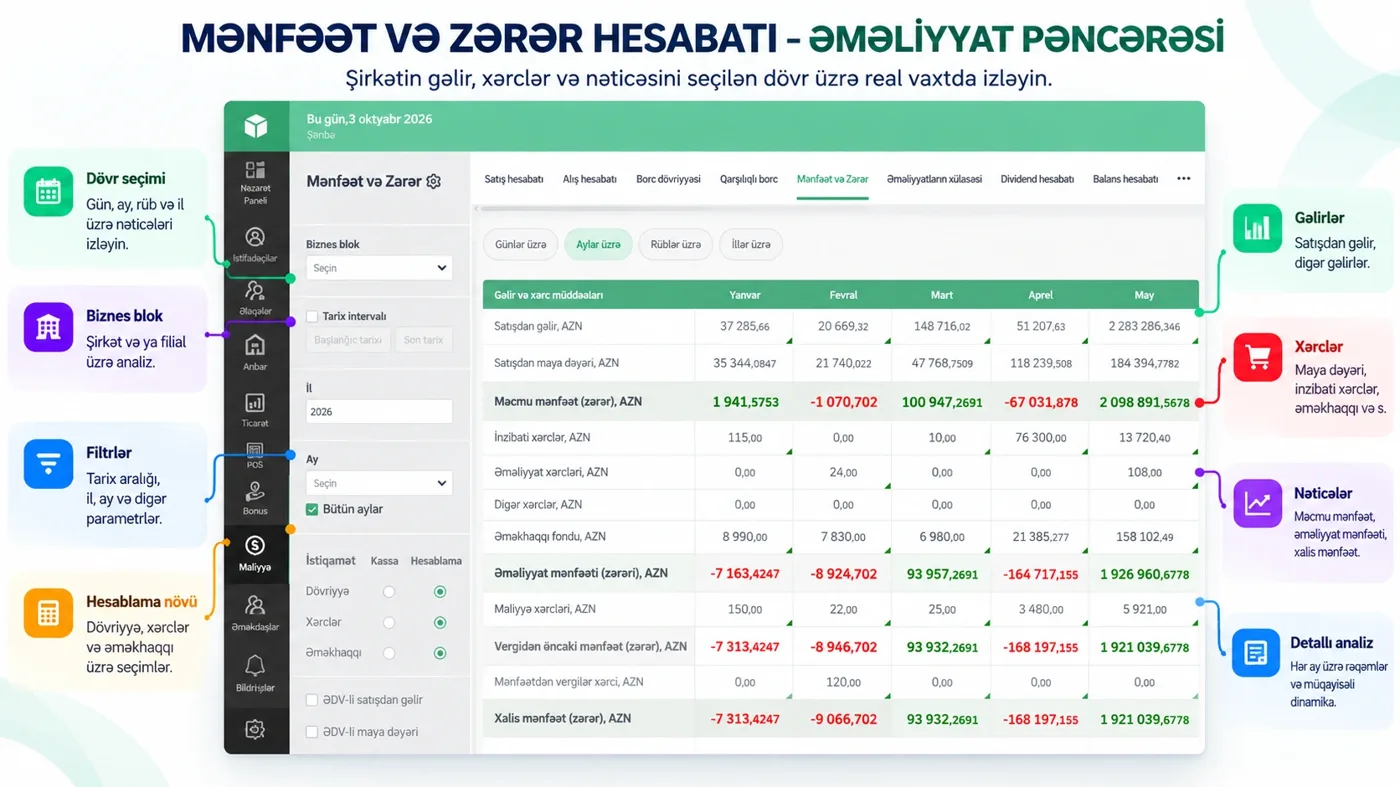
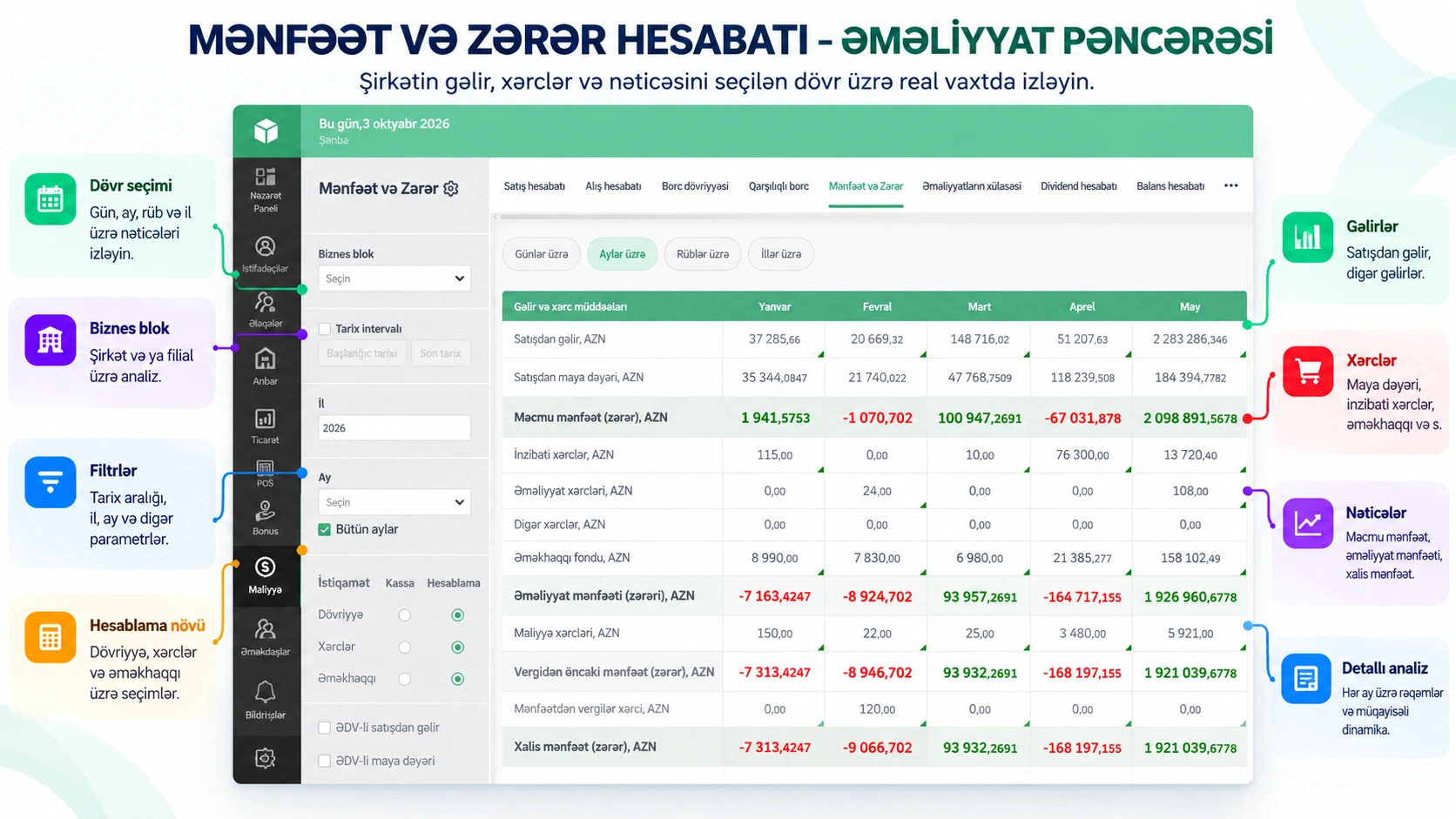
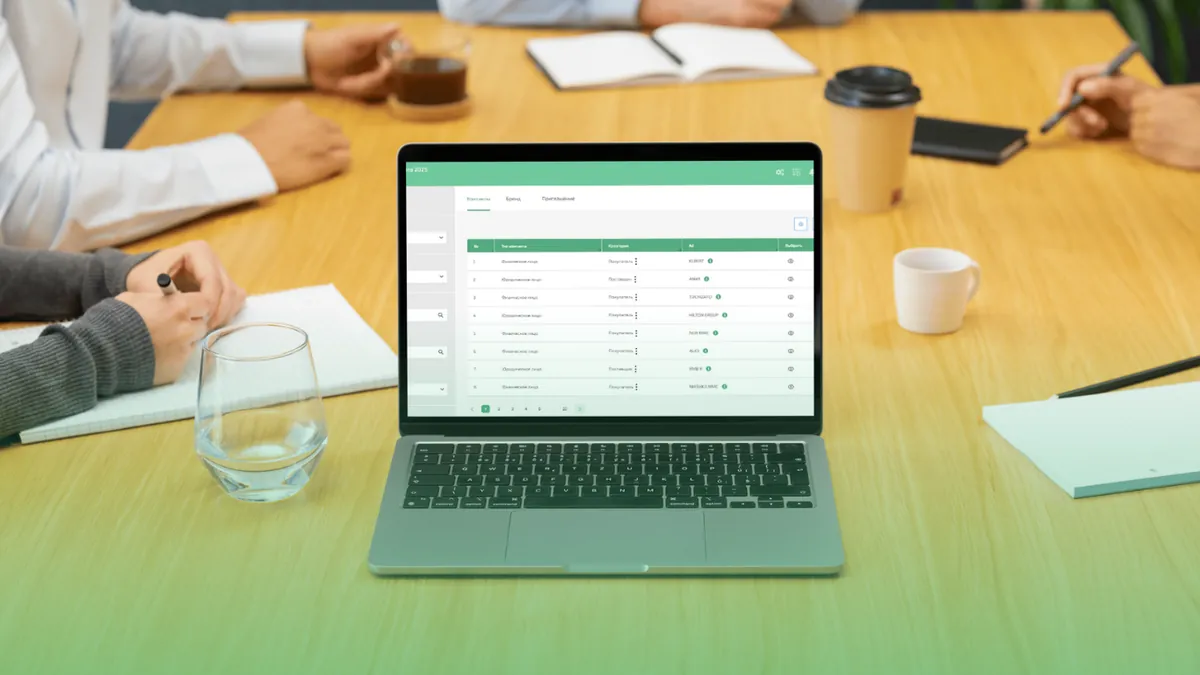
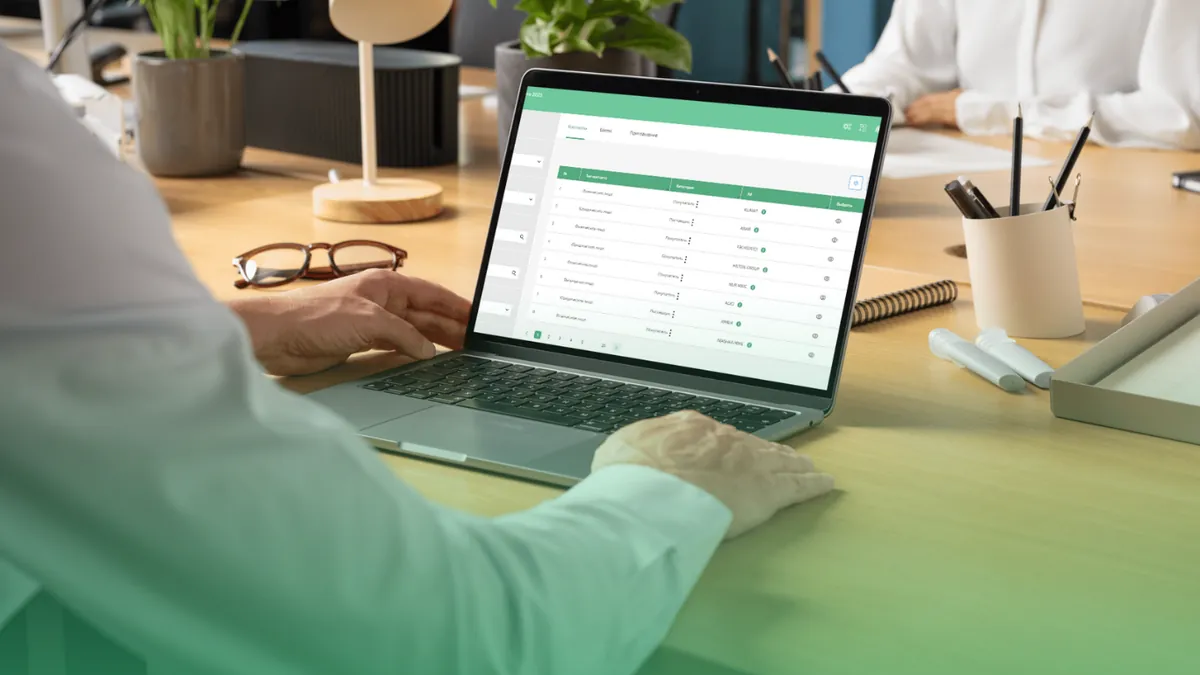
At first, company management may not seem too complicated, but as the business expands, managing a large staff, financial matters, customer relations, and all other company operations simultaneously becomes a truly difficult and responsible task. In this situation, traditional management methods no longer appear suitable, as delays arise in interdepartmental information transfer, constant communication with employees becomes harder, and monitoring tasks becomes more difficult. This ultimately reduces business quality. Therefore, ERP systems are increasingly used to solve such problems.
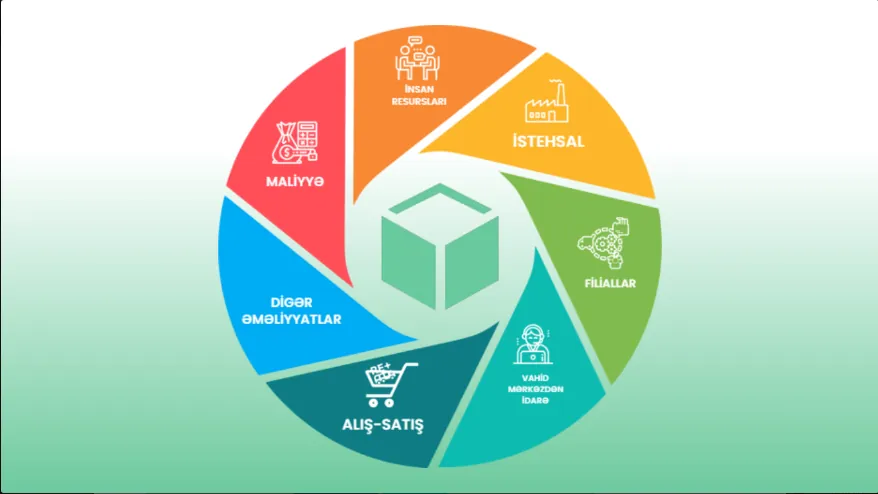
ERP (Enterprise Resource Planning) is a system that ensures planning in every area of company activity. Creating a unified information base and enabling centralized management are among the main functions and features of ERP systems.
ERP systems gather all business processes in a single database, allow executives to access operational information on all departments, and ensure planning and automated management of all company functions.
Recently, growing and already large companies in the Azerbaijani market have also been prioritizing the use of automation systems and are increasingly implementing ERP solutions in the following areas:
Electronic Document Management System
One of the ERP solutions is the Electronic Document Management System (DMS), which automates all activities related to incoming, outgoing, and internal documents of an enterprise or organization. The implementation of the system reduces the human factor in document handling, eliminates document loss and other external risks, simplifies archiving and search processes, and ensures document confidentiality and security.
Human Resources Management System
The HRM system (Human Resources Management), which integrates most broadly with the document management system, ensures structured and easy management of company staff. The HRM system allows executives to manage employee interactions, monitor employee activities, and keep their work performance under control. These systems are essential for medium and large businesses.
Project Management System
Another ERP solution is the Project Management System, which allows companies to plan, manage, and monitor all projects, tasks, and ongoing matters. It is also possible to generate any required reports for projects in graphical and visual formats, which helps protect operations from losses and supports the next steps of business development.
Customer Relationship Management System
Of course, the most important aspect is customer relations, which are the foundation of any business. The CRM system (Customer Relationship Management) forms a unified database of customers, organizes meetings with them, and regulates the relationships. High-level management of customer relations positively affects the company's image and serves as a key factor in business growth.
Contact Center Management System
Another factor influencing customer relations is the quality of service. Every customer wants services to be accessible and their problems resolved quickly. Recently popularized Contact Centers are widely implemented in companies for exactly this purpose. By answering customer calls, solving their problems, or providing the desired information, Contact Centers can turn calls into sales.
Advantages of ERP Systems
One of the main advantages of ERP systems is their applicability in companies, enterprises, and institutions operating in any field. Their implementation in government agencies, holdings, healthcare, education, tourism, and many other sectors simplifies management and ensures development.
The absence of unified standards, rules, and instructions in the company's management structure leads to information fragmentation, which in turn decreases management efficiency. With ERP solutions, regardless of company size, it becomes possible to ensure operational information exchange between employees, provide access to only necessary information, enable full supervision by executives over departments, and maintain transparent management.
How to choose ERP systems?
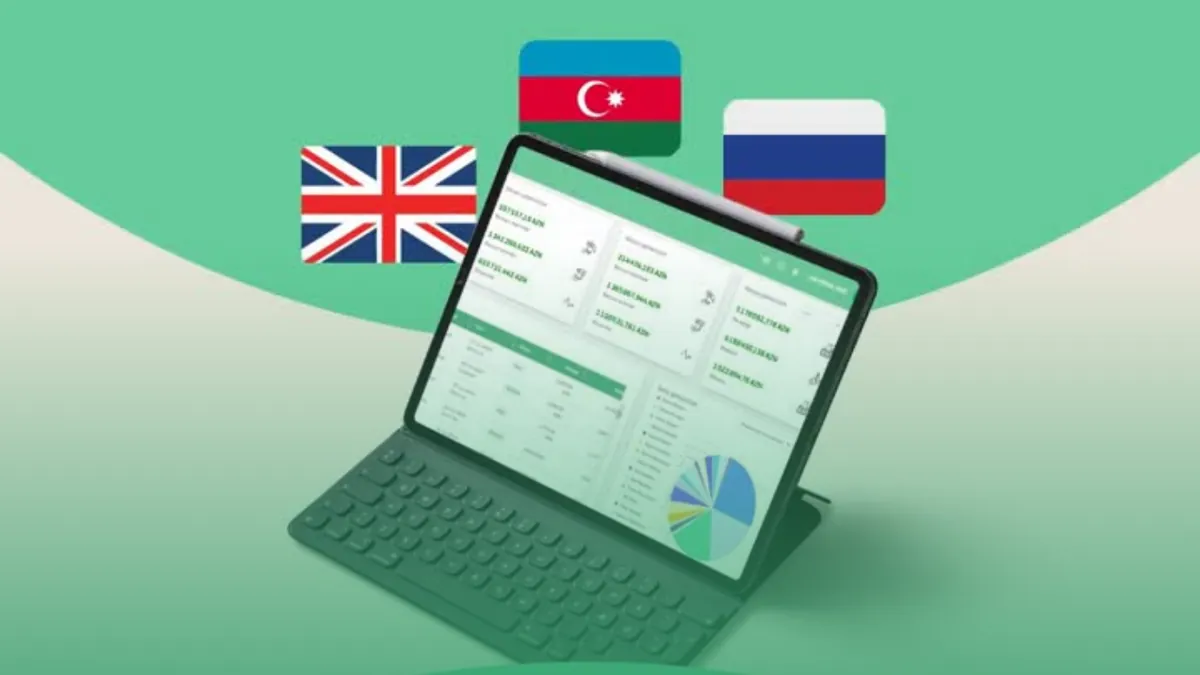
In addition to the advantages mentioned above, it is also essential to consider factors such as compatibility with customer specifics, compliance with local laws, user-friendly interface, local technical support, and security regarding political processes when choosing ERP systems. However, the use of foreign systems by local companies often causes problems. This is not due to ERP systems being ineffective, but because unrelated IT companies offer solutions that fail to meet all business needs, have limited integration capabilities, and present translated foreign software as local products, leading to poor choices by entrepreneurs.
The company Prospect ERP, which has implemented the national ERP system in major holdings across the country, offers software solutions developed considering all business problems and processes in the local market and legislation. These systems are regularly updated based on technical support contracts. Moreover, the special interface and features are highly convenient for users. Reportedly, the company, despite working with large enterprises and organizations, now also offers ERP systems tailored for small and medium-sized businesses. This indicates a significant advancement of the country's IT market.