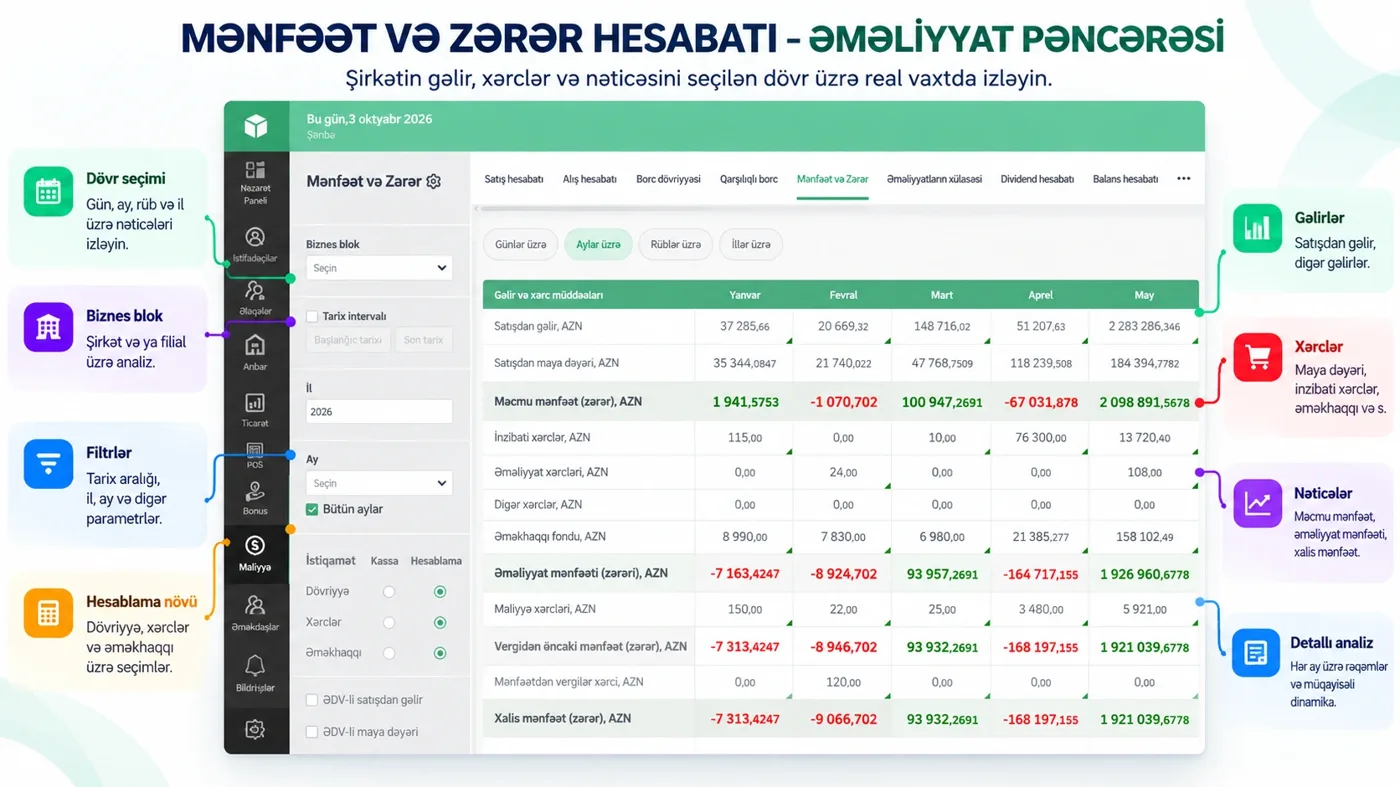
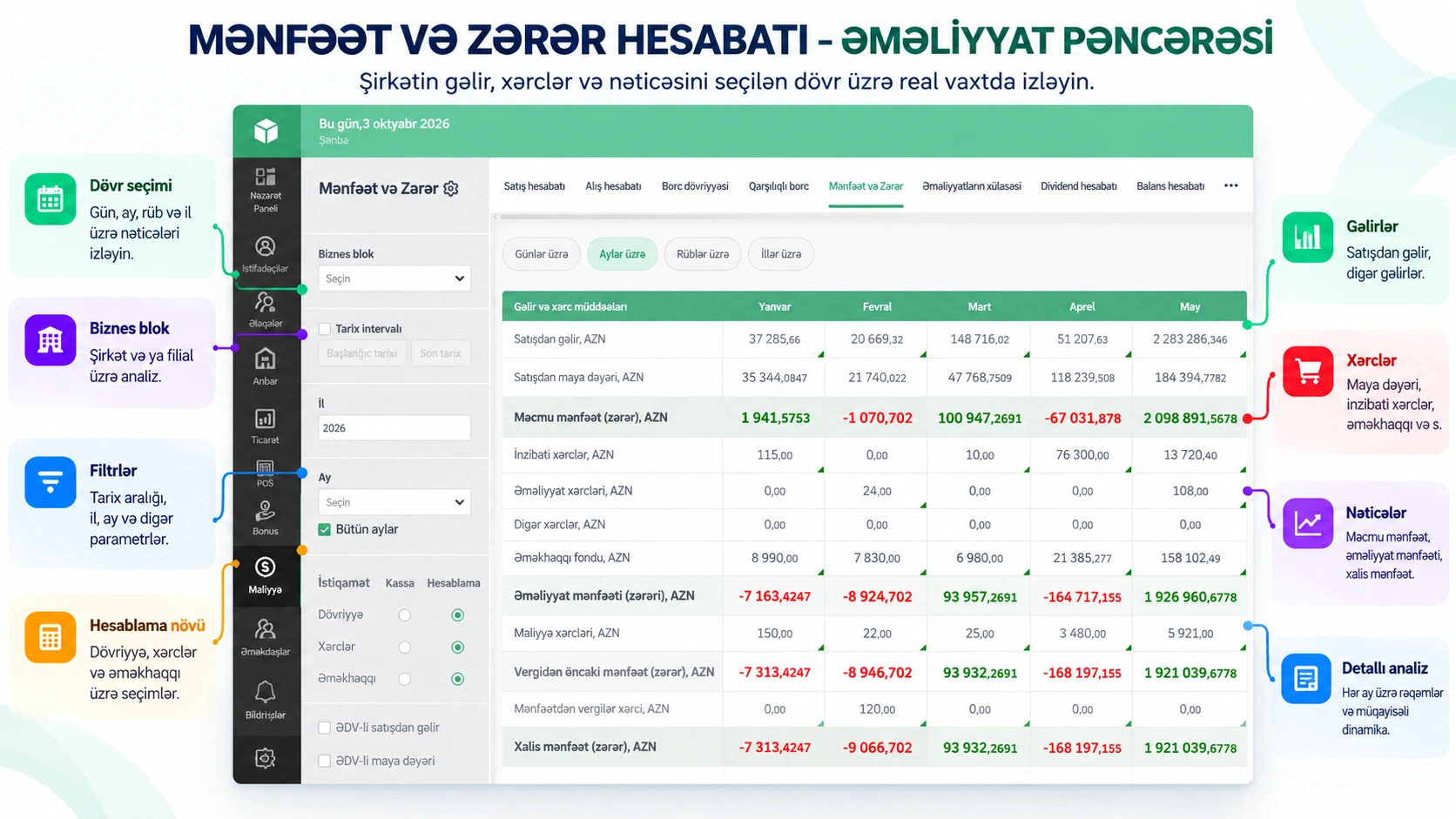
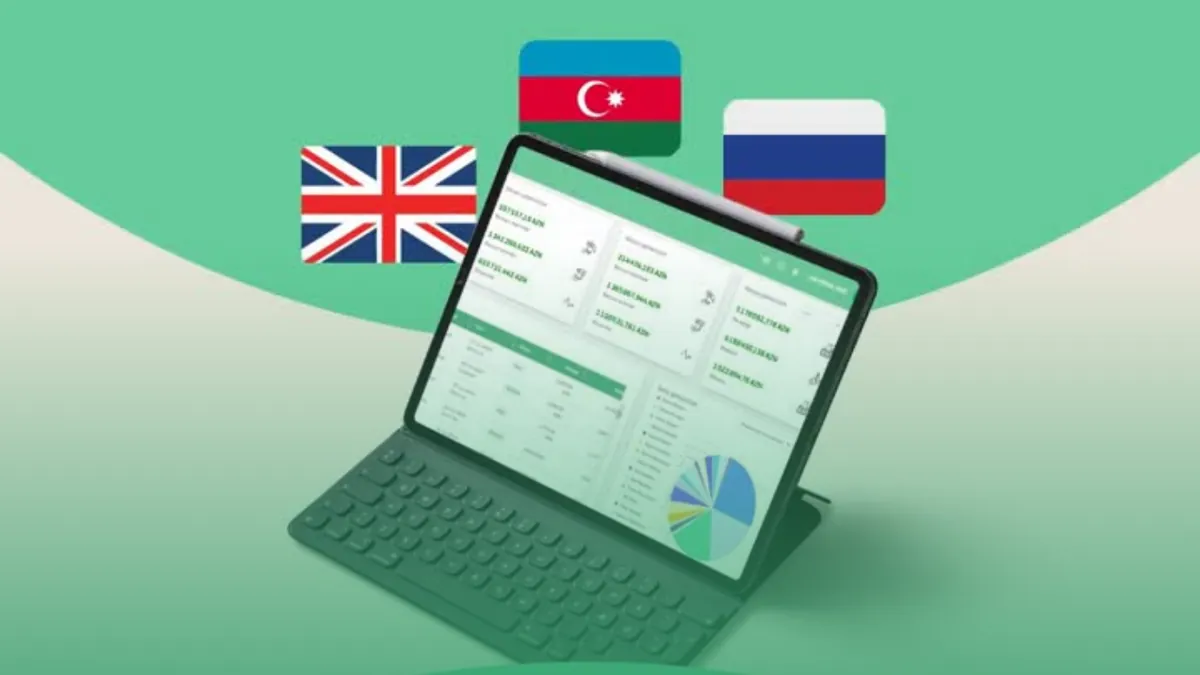
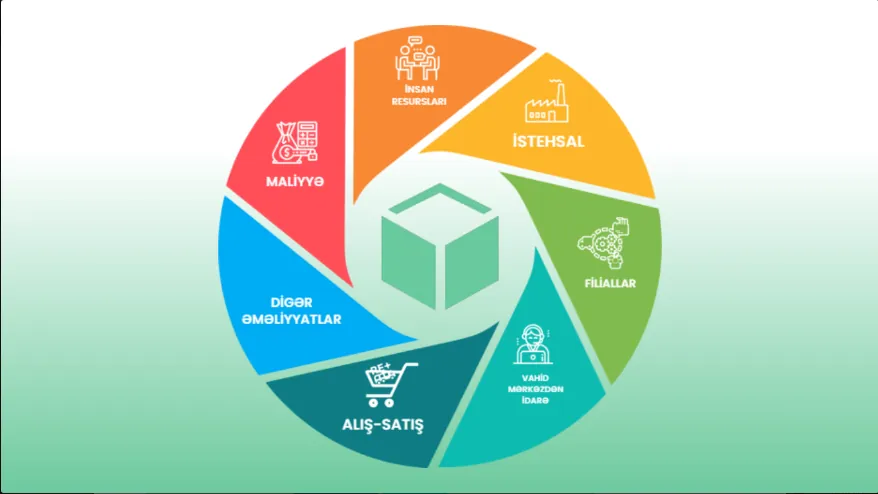
ERP (Enterprise Resource Planning) systems play a crucial role in managing modern businesses. The rapidly evolving business landscape requires flexible, automated, and precise management. ERP systems integrate various business processes into a single platform, enhancing efficiency and productivity.
Business Case: "AzərPlast" is a company that manufactures plastic containers. Due to manual processes, it struggled to accurately track raw material orders. With the implementation of an ERP system, material inventory was managed automatically, and orders were fulfilled on time, reducing production time by 30%.
Key Advantages of ERP and Its Impact on Business
The main advantages of ERP systems include:
- Automation: ERP systems automate business processes, ensuring efficient time management.
- Effective Resource Management: Optimizes material, human, and financial resources.
- Centralized Data Management: ERP systems collect and analyze data from all business areas.
Business Case: "FreshMarket" is a supermarket chain that struggled to deliver orders on time due to manual inventory and sales tracking. With the implementation of an ERP system, inventory and sales were integrated, reducing order errors by 50%.
Is ERP Suitable for Every Business?
The suitability of ERP systems depends on a business’s size and industry. Large corporations benefit from precise control and standardization across multiple departments, while small businesses can leverage cloud-based ERP systems for more flexible solutions.
Business Case: "ZərifModa," a fashion retail store, implemented a simplified ERP version to automatically track customer orders, increasing sales turnover by 20%.
Business Problems Solved by ERP
ERP systems help address various business challenges, including:
- Cost Reduction
- Process Integration
- Ensuring Smooth Data Flow
Business Case: "FastServ," a technical service company, faced delays due to tracking customer requests across multiple systems. After implementing ERP, request processing time decreased by 40%, significantly improving customer satisfaction.
Future Trends in ERP Solutions
The future of ERP systems is shaped by technological advancements, including:
- AI and ERP Integration
- Cloud Technologies and SaaS ERP Models
- The Growing Role of Mobile ERP Solutions
Business Case: "SpeedCargo," a logistics company, integrated AI with its ERP system to automate route planning, reducing fuel costs by 25%.
ERP systems are a powerful tool that ensures unity, flexibility, and efficiency in modern business operations. Regardless of your company's size or industry, a properly chosen ERP system can help reduce operational costs, streamline information flow, and enhance customer satisfaction — giving you a competitive edge.