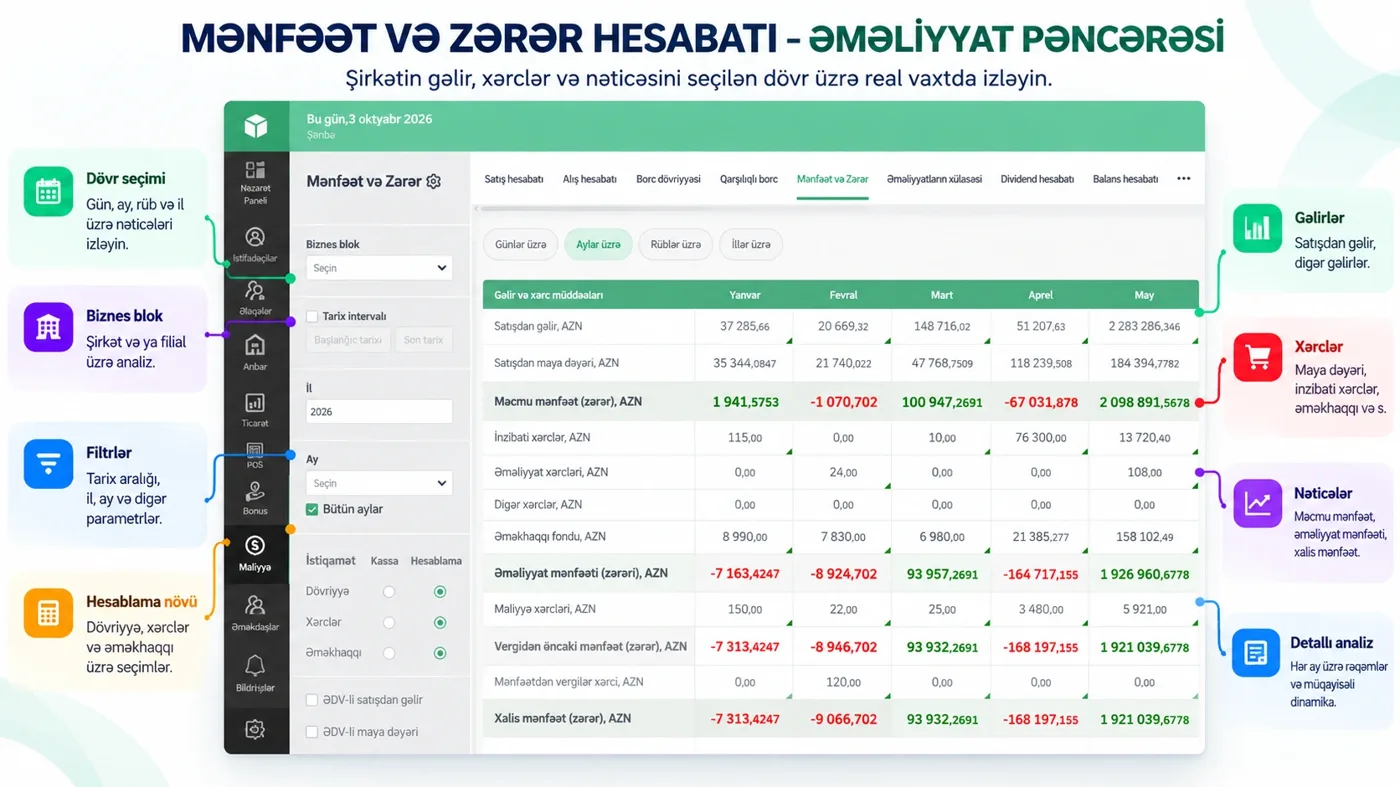
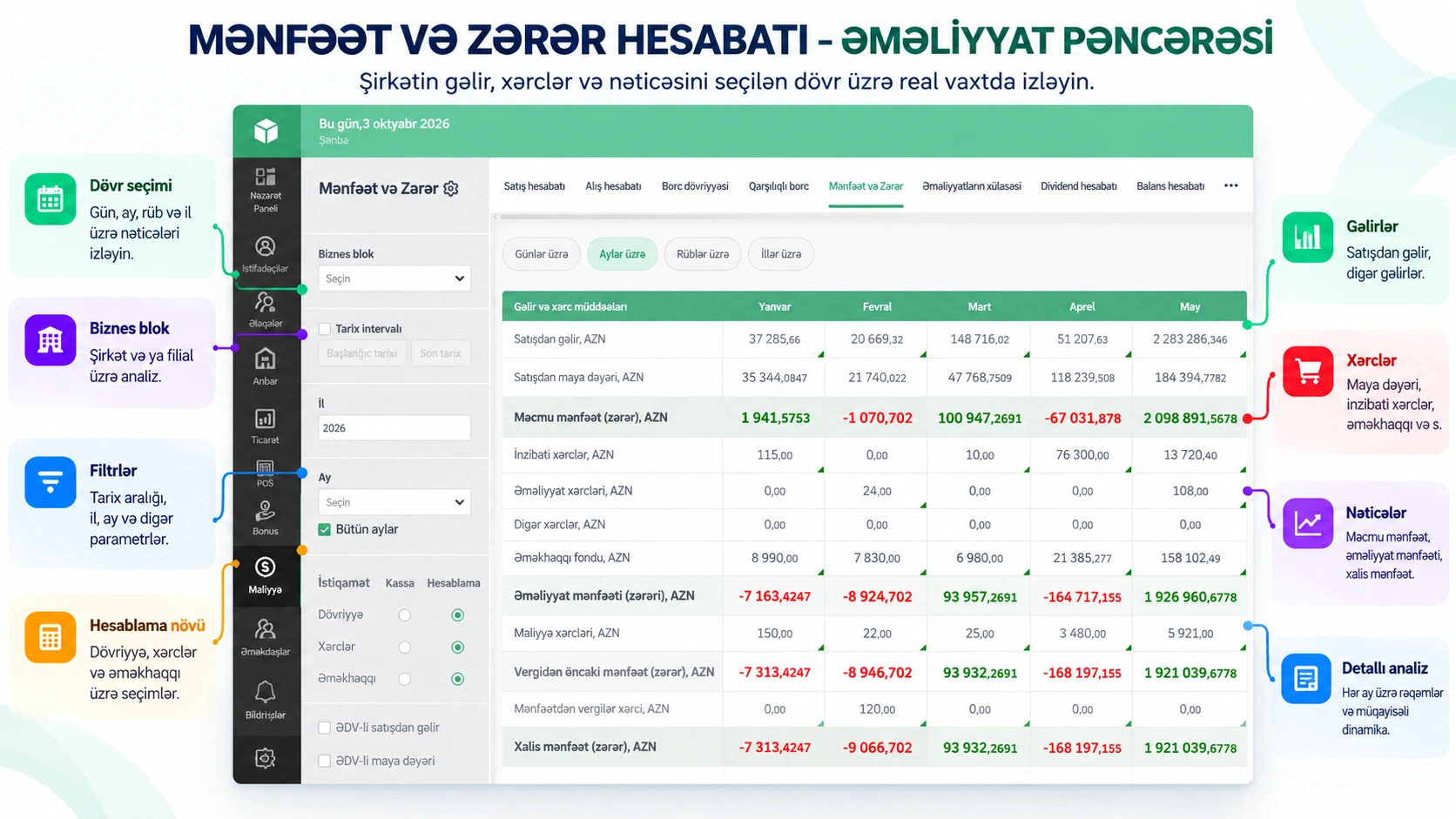
In today’s globalized world, multilingual ERP systems are no longer a luxury but a necessity for companies operating internationally or managing teams that speak different languages. Whether expanding into international markets or enhancing coordination among employees in different regions, having a system that supports multiple languages plays a crucial role.
- Easier use for employees
When each employee can view the ERP interface in their native language, training time is reduced, the likelihood of errors decreases, and daily system usage becomes much easier.
- A ready platform for global expansion
If your company plans to open a new branch abroad, there’s no need to change the system. The existing ERP can maintain a centralized database while offering localized features for different countries.
- Stronger customer service
When the customer relationship management (CRM) module is also multilingual, it becomes easier and faster to communicate with clients in their preferred language. This improves the sales process and increases customer satisfaction.
- Eliminates translation costs
With no need for internal system translations, companies save on additional translation work, integration of external software, and other technical efforts.
- Compliance with local financial and reporting requirements
In addition to language support, ERP systems also provide localized functions for currency, tax, and reporting formats. This allows reports to be prepared in accordance with the regulations of each country.
Conclusion
If your company operates in different regions or is planning to grow internationally, a multilingual ERP system will keep you one step ahead. These systems are worth the investment not just for internal efficiency, but also to remain competitive in foreign markets.