In daily operations, everything appears to be under control: accounting is done in Excel, inventory is listed on paper, and salespeople share information via WhatsApp. But what if something goes wrong in this setup? Or a key employee leaves the company? Or a competitor starts using an ERP system and begins operating much faster and more accurately?
Small and medium-sized businesses (SMBs) that don't use ERP systems face several critical risks. These risks may not be immediately visible but can cause long-term damage. Let’s look at these risks under specific headings.
- Loss and unreliability of data
In traditional systems, data is stored in various places — Excel files, notebooks, personal computers, and even in employees’ memories. This creates a high risk of data loss or distortion. An invoice can be deleted, an order forgotten — leading to customer dissatisfaction, financial losses, and distrust.
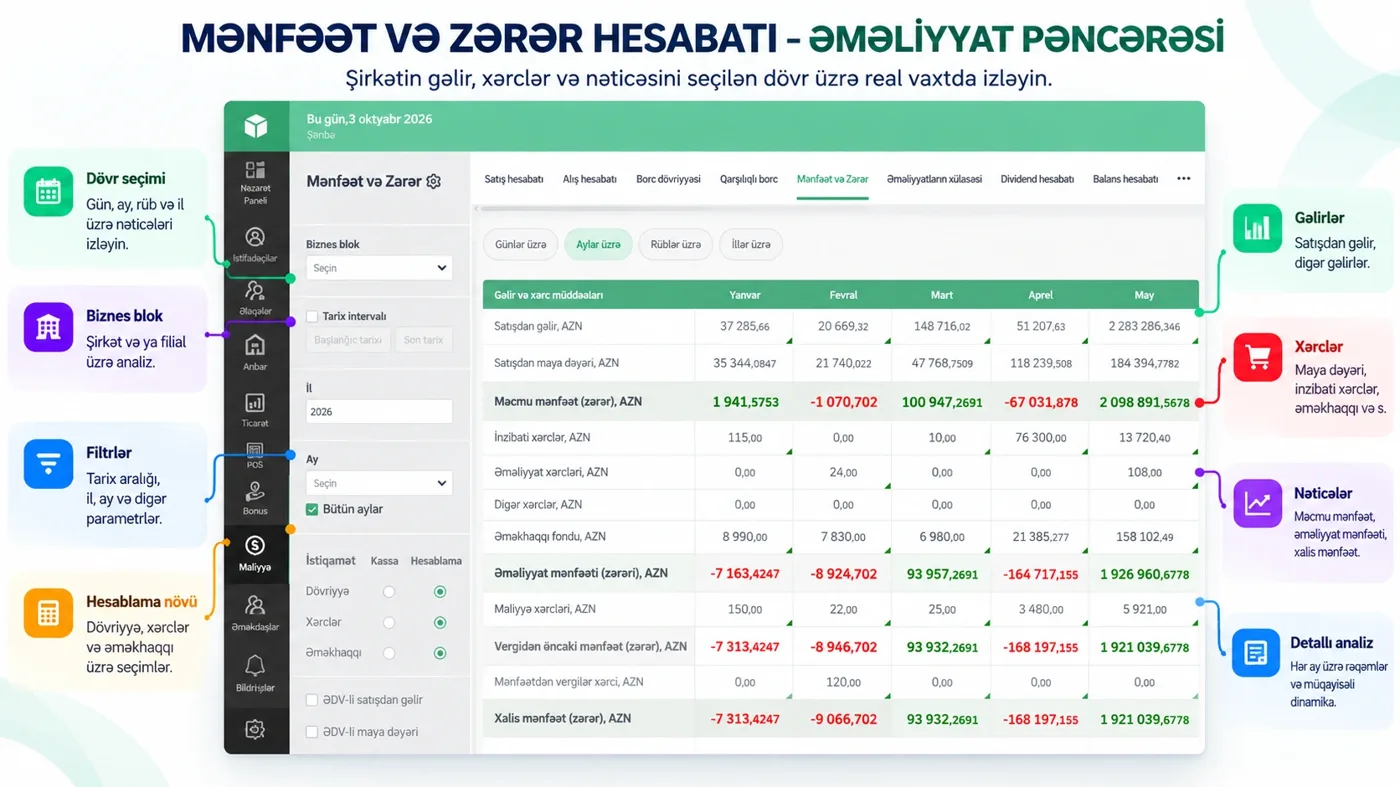
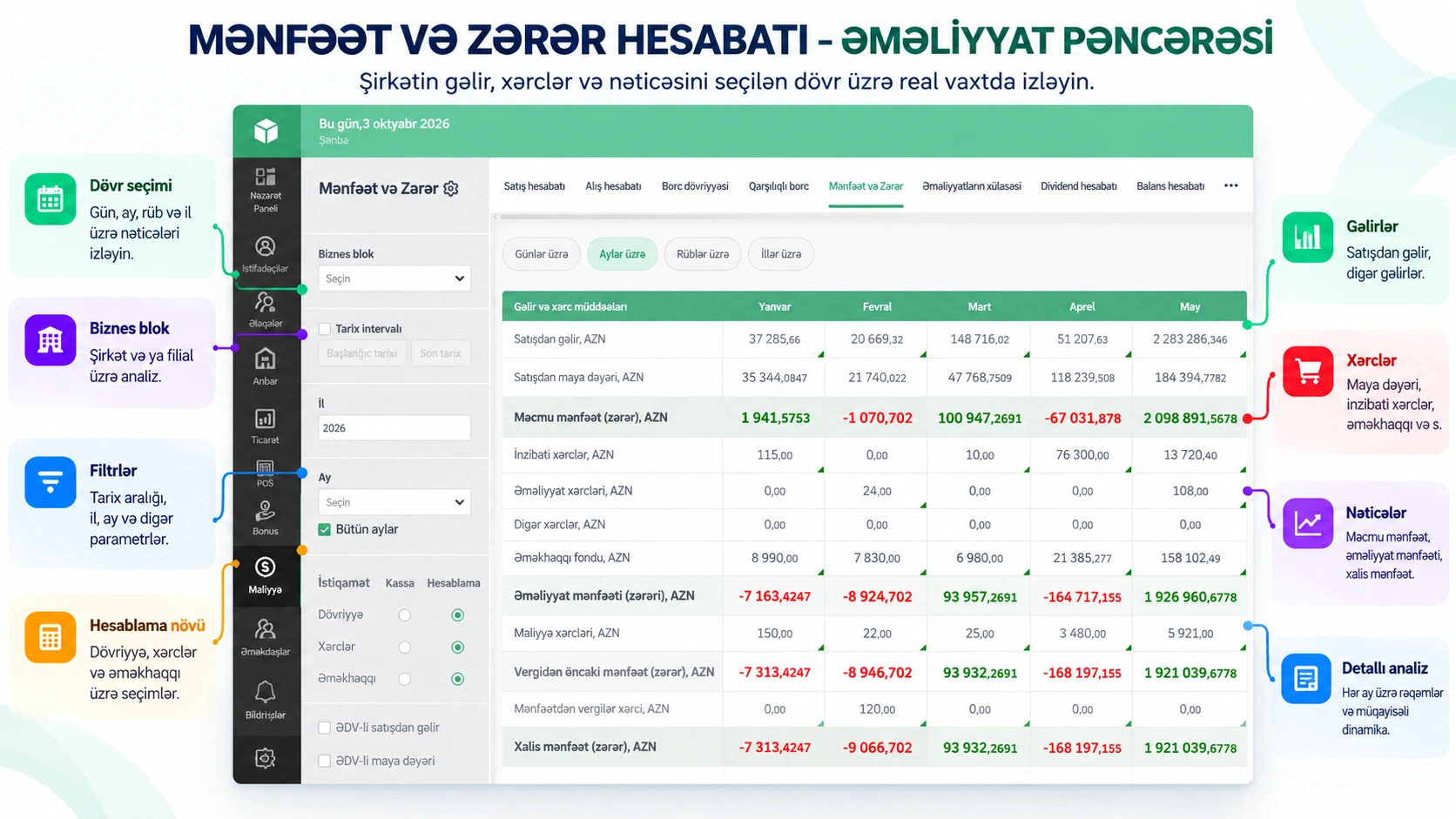
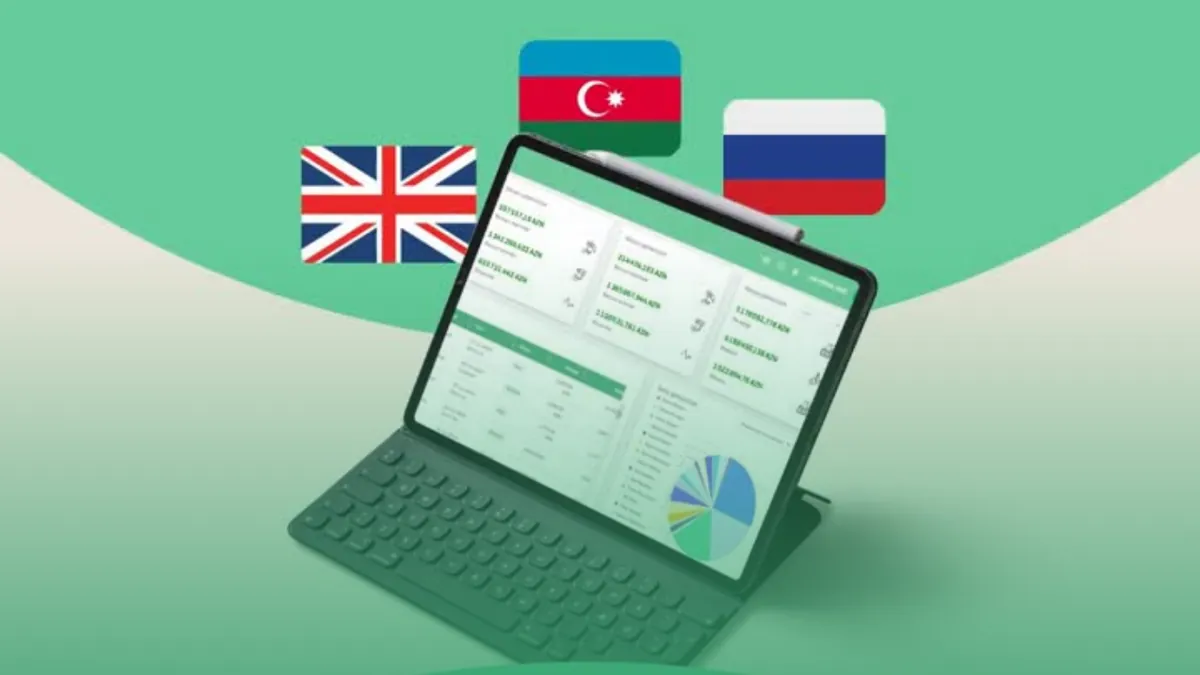
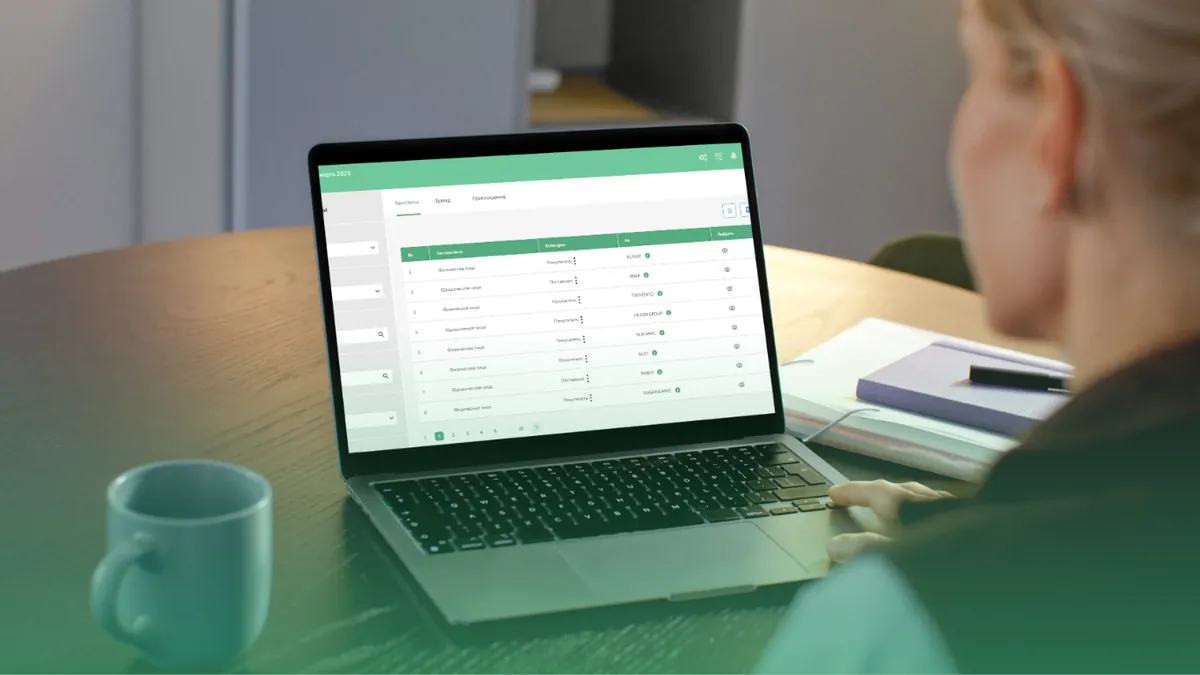
ERP systems eliminate this risk by offering centralized, secure, and real-time data monitoring. Prospect ERP ensures strong data security and accuracy in this area.
- Inability to track processes
Without ERP, each process follows its own “routine”: Sales works one way, production another, and accounting follows a different method. As a result, management cannot fully monitor any process. When was an order placed? Has production been completed? Is there enough stock?
This fragmented structure reduces management effectiveness, and issues only surface when delays and complaints begin to rise.
- Increased dependency on individuals
If key data is held by a few main employees, their resignation, absence due to illness, or even a simple mistake can cause major issues. A business structure without an ERP system relies heavily on people, making operations unstable.
With systems like Prospect ERP, processes are built around the system rather than individuals — ensuring continuity of knowledge, data, and operations.
- Delays in planning and decision-making
In businesses without ERP, gathering the necessary information to make decisions can take hours or even days. This makes it difficult to respond quickly to market conditions. For instance, which products sell the most? Which customer is in debt? Each answer requires a different document or person.
An ERP system presents this information with one click — allowing executives to see the full picture anytime and make informed decisions quickly.
- Customer dissatisfaction and falling behind in competition
In companies without ERP systems, delays, wrong shipments, or incomplete orders are more frequent. Customers facing such issues often look for alternatives — meaning your competitors win, and you lose.
ERP systems monitor the process from order to delivery, minimizing such risks. Customers receive more accurate, faster, and professional service.
- Limited growth potential
Non-ERP systems work only up to a certain scale. As the business grows, these systems can't handle the load. If processes aren’t automated and data isn’t organized, growth becomes chaos and inefficiency.
ERP systems, especially locally adapted platforms like Prospect ERP, provide flexible and phased solutions to support this growth.
Switching to ERP eliminates risks and creates opportunities
Switching to ERP systems not only eliminates existing risks but also opens new doors for business development. With data flow, operational efficiency, proper planning, and strategic decision-making capabilities, you become stronger and more agile in the market.
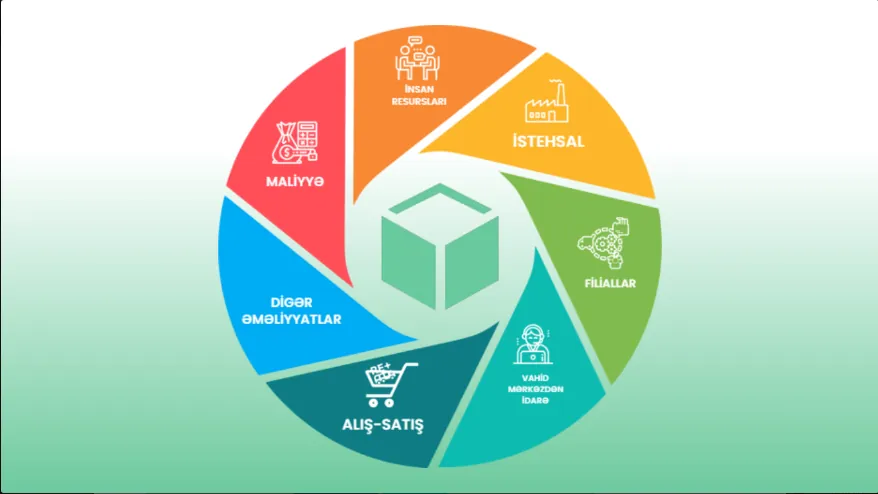
At Prospect ERP, we simplify this transition for SMBs with modular, tailored solutions and phased implementation options. You can visit the Modules page on our website to find the ERP solution that fits your business.
Conclusion: Management without ERP is a risk; ERP is an opportunity
A business without an ERP system is like a quiet volcano hiding problems inside. Everything may seem fine, but the system’s weaknesses will show during the first shock. ERP systems turn these weaknesses into strengths.
If you want to manage your business more safely, efficiently, and future-focused, now is the time to switch to ERP. Prospect ERP is here to support you on that journey.