Not long ago, systems using biometric identification methods were only found in science fiction books or movies. Modern biometrics began to be applied for access control in the 1970s. The first biometric systems provided high levels of security, but only due to the high cost of the biometric devices involved. In recent years, the advent of cheap microprocessors and advanced electronics for image processing has both reduced the cost of biometric devices and increased their accuracy.
The main function of any biometric device is identity recognition. Access control does not only require identifying a person; the system can also open doors, grant or deny access depending on the time of day, and activate alarms when required.
Before September 11, 2001, biometric systems were used solely for ensuring the security of military secrets and important commercial information. After the terrorist attacks that shook the world, the situation changed drastically. Initially, biometric systems for access control were installed in airports, large shopping centers, and other places where people gathered. The increased demand led to research in this field, which, in turn, led to the emergence of entirely new technologies. The development of the biometric devices market has increased the number of manufacturing companies, and the competition has led to a significant reduction in the prices of biometric security systems.
Currently, fingerprint recognition is the most popular method of biometric identification. Due to the universality of this technology, it can be applied in any field where reliable identification of users is required. A fingerprint taken with a special scanner is converted into a digital code and compared with previously entered samples. This also frees employees from carrying extra small keys and access cards, and helps eliminate paper-based registrations and the Soviet-era "Tabel Journals" that cause time loss and inaccuracies.
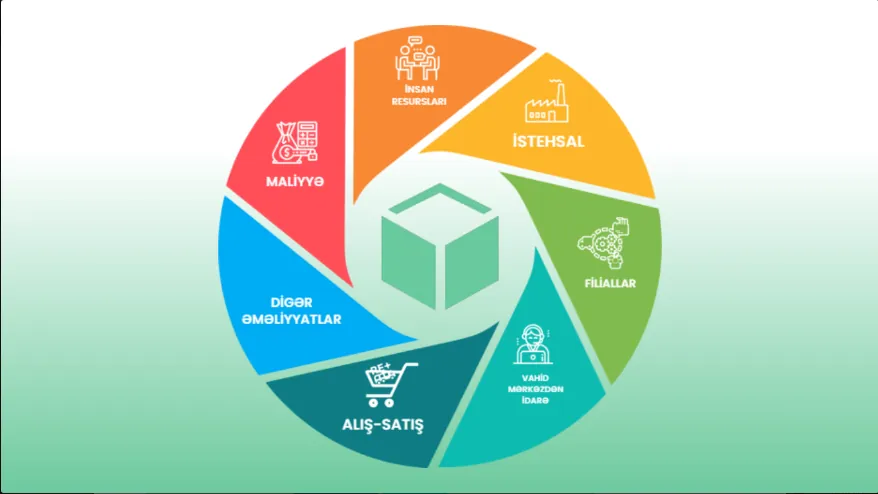
In line with development trends, biometric devices are now being applied in various sectors of business in our country and integrated into management solutions. A prime example in this field is the ProID solution from Prospect ERP, a company that implements management software in nearly 99% of enterprises in the country. The ProID solution for Human Resource Management automates human resources for every government and private enterprise, from small businesses to corporations, enabling large tasks to be completed in a short time.
The “Biometric Devices” module in the ProID solution functions as an invisible employee within the company. This is why we refer to it as the Biometric Employee. One of its main responsibilities is to create the “Access-Time Control” network by combining important factors such as “Access Control” and “Time Control.” Using this system, it is possible to electronically track the entry/exit of each employee and visitor, as well as obtain time reports. The system accepts employees who are absent for various reasons (vacation, illness, travel, resignation) as either "one-time" or "permanent" with the management's approval. One of the distinctive features of the program is that it is a “speaking” system. For example, delays in arriving at work, leaving early, and other actions are reported directly through notifications, keeping the company's management in constant communication, and the system operates according to instructions based on the sent commands and signals.
The applications of biometric technologies are diverse: access to workplaces and network resources, data protection, ensuring access to specific resources, and security. These technologies are used in security fields such as banking transactions, investments, other financial movements, retail trade, law enforcement, healthcare, and social services.
Biometric technologies will play a key role in personal identification in many areas in the near future. Biometric systems, whether applied separately or used together with smart cards, keys, and signatures, will soon be applied in all areas of the economy and personal life.