1. What Is ERP for Manufacturing Companies and What Problems Does It Solve?
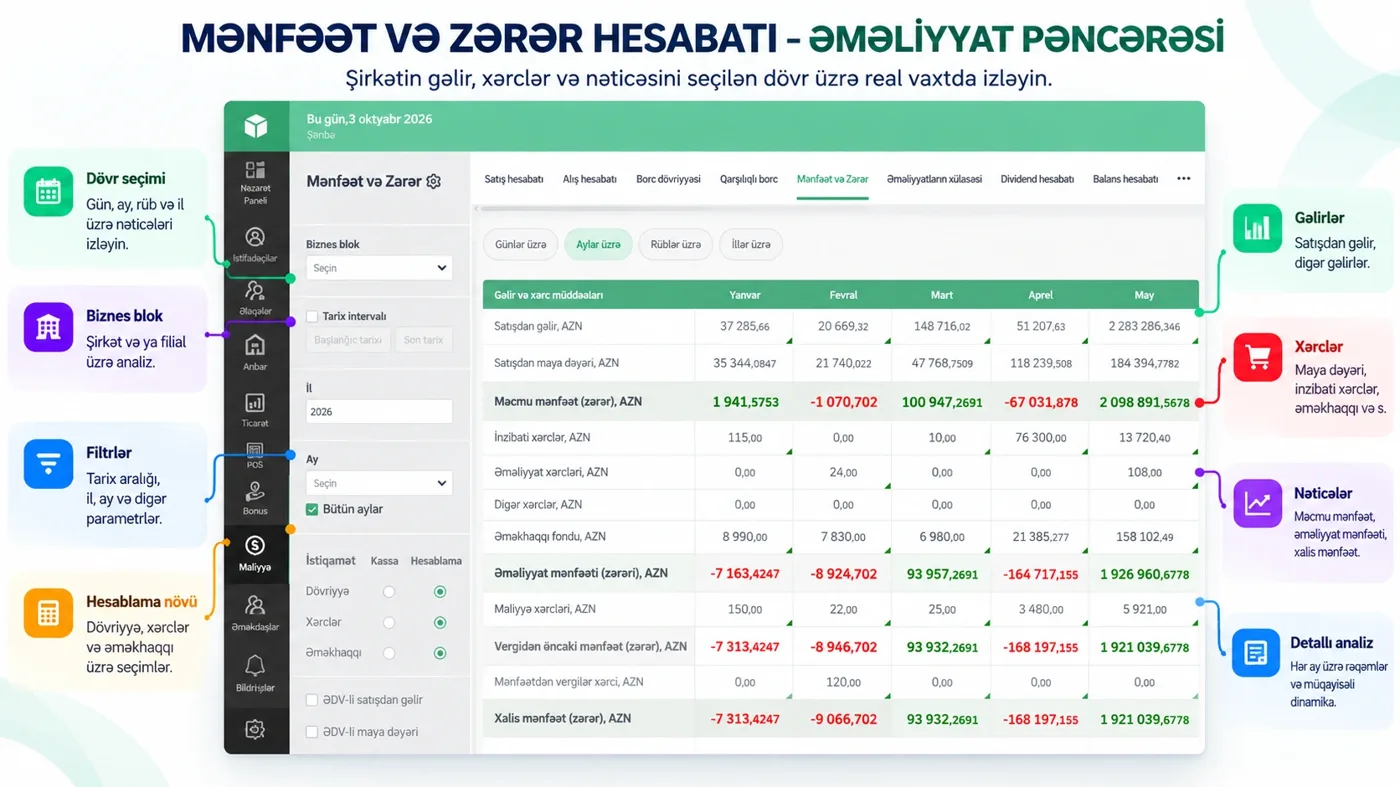
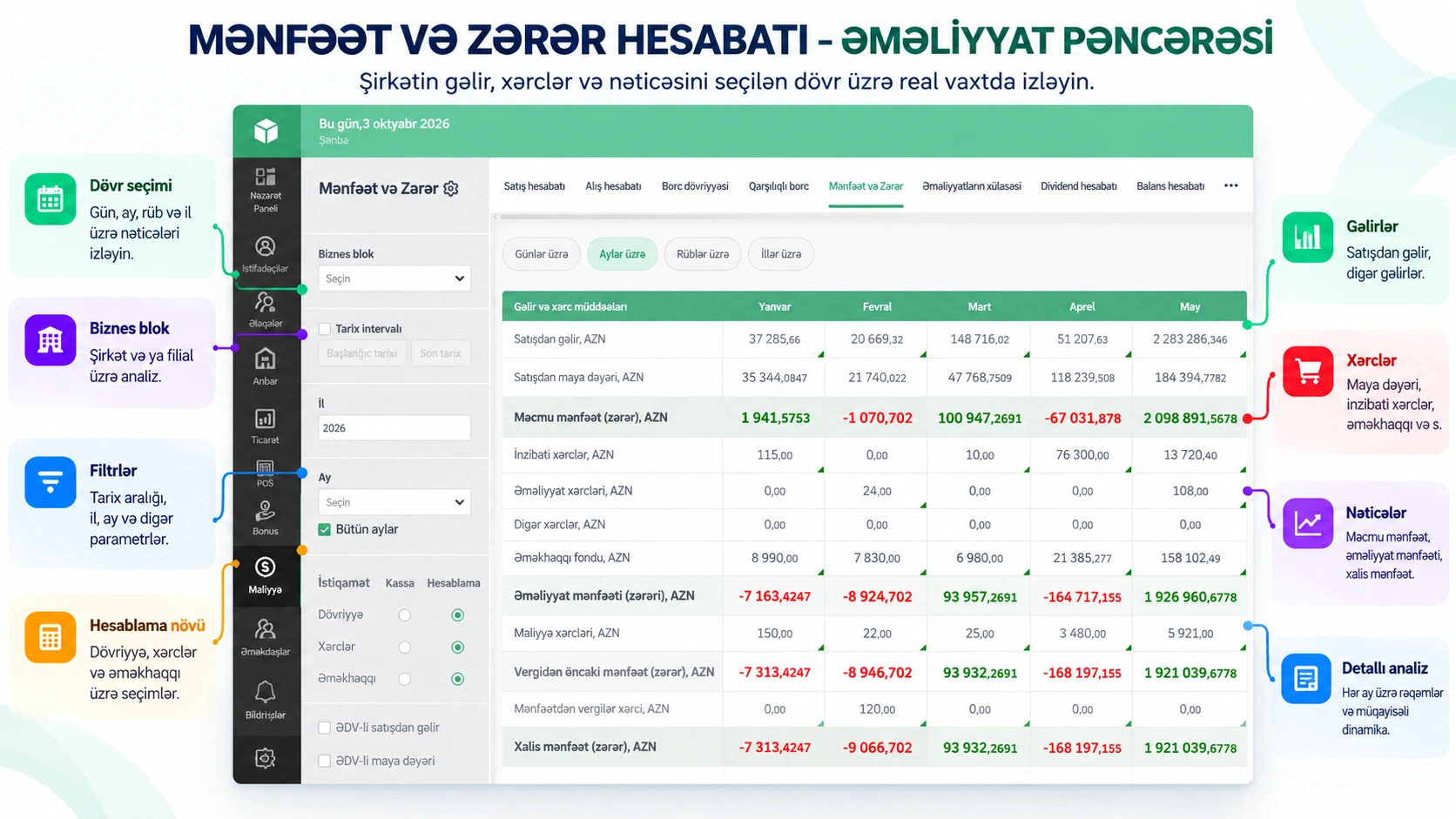
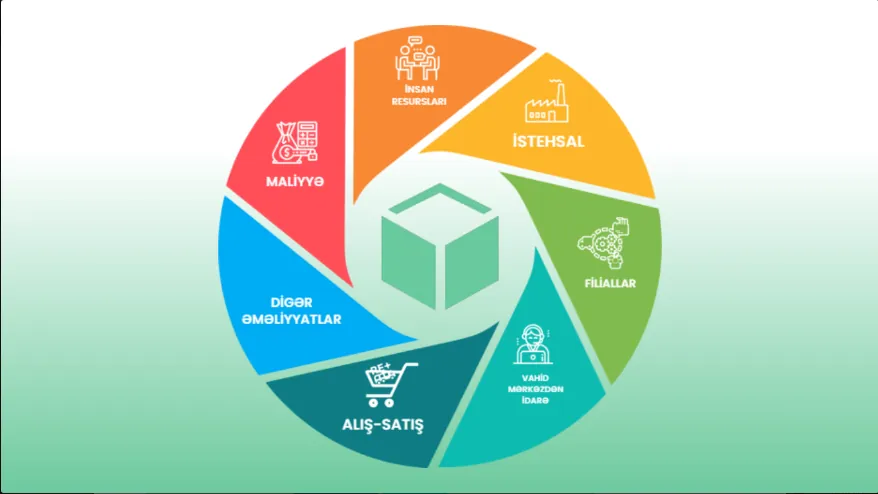
ERP for manufacturing companies enables the management of various operations—planning, procurement, production, inventory control, sales, and finance—through a single integrated platform. With ERP-based production management, processes become more transparent, controllable, and efficient. Traditional methods often result in data gaps, time loss, and uncertainty in decision-making, but ERP significantly minimizes these issues.
2. Production Planning and Resource Optimization with ERP
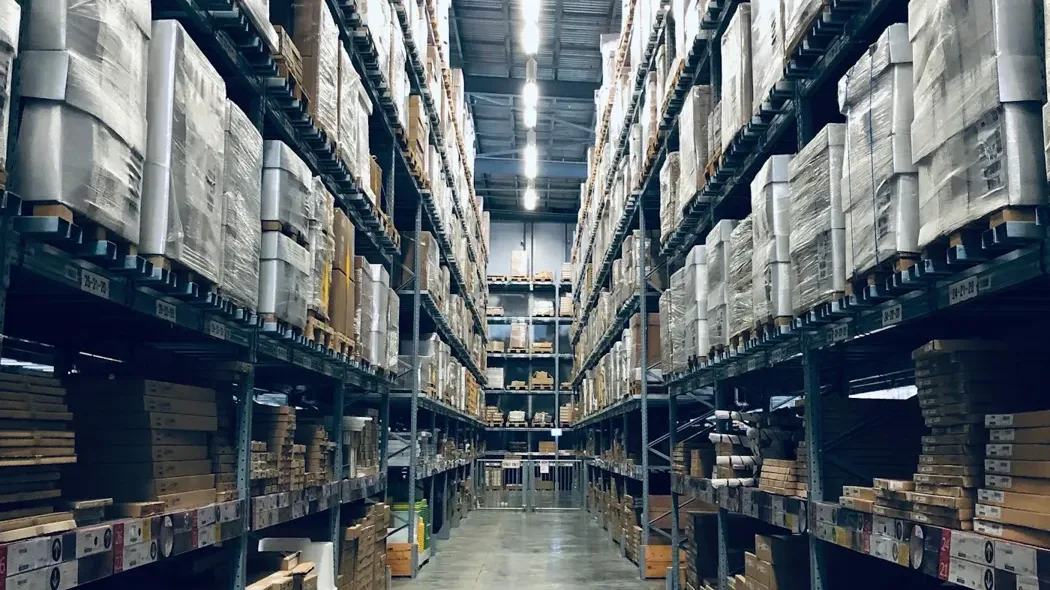
ERP-based production planning optimizes all stages of production—from raw material procurement to product delivery. The system automatically analyzes resource requirements and generates the most suitable production schedule for the company. At the same time, ERP-based inventory control enables real-time tracking of both raw materials and finished goods, helping to prevent resource waste and production delays.
3. Impact of ERP on Productivity and Quality
Improving productivity with ERP software is achieved through real-time data analysis and enhanced decision-making mechanisms. ERP-based quality control systems ensure that every stage of the production process is monitored and products meet established standards. This leads to fewer production errors and higher customer satisfaction.
4. What to Consider When Choosing an ERP System for Manufacturing?
Choosing the right ERP system is crucial for a successful implementation. Key considerations include:
- Industry compatibility – The ERP system should be tailored to the specific needs of the manufacturing sector.
- ERP modules for manufacturing – It's essential to have modules for inventory, production, procurement, sales, finance, and quality control.
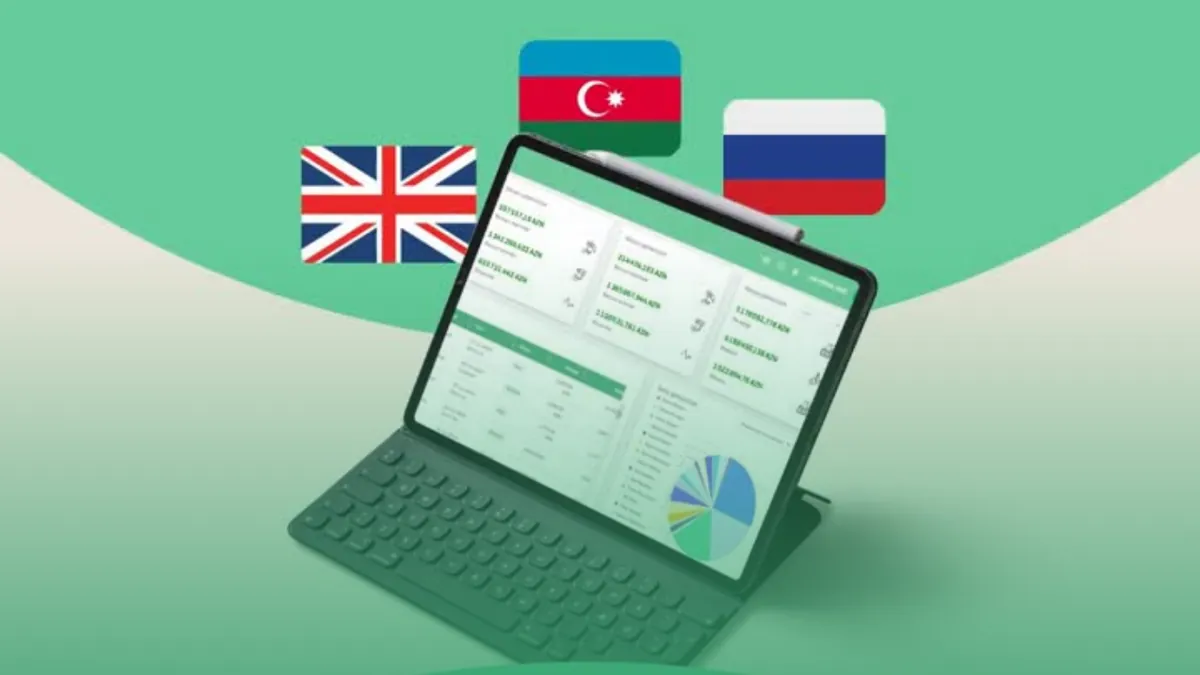
- Technical support and localization – Solutions offering local language, content, and support services are recommended.
- Cloud-based (SaaS) vs. On-premises versions – For small and medium-sized businesses (SMBs), subscription-based SaaS models are typically more flexible and cost-effective.
Real Success Stories: Results Achieved Through ERP Implementation
Let’s explore some real-life examples from local companies that successfully implemented ERP systems:
- AzVirt LLC, a company operating in road construction and infrastructure, achieved a 20% reduction in project delivery times and a 15% cost savings after implementing ERP. Resource planning and equipment scheduling became significantly more efficient.
- Baku Steel Company integrated its internal manufacturing operations into a single ERP system, automating quality control and increasing production capacity by 18%. Centralized data helped management make faster and more informed decisions.
- Gilan Textile Park digitized its entire inventory and production processes with SAP-based ERP solutions. This led to a 30% reduction in inventory losses and a more agile supply chain.
ERP systems are no longer exclusive to large enterprises. Today, small and medium-sized manufacturing companies also benefit greatly by gaining a competitive edge. Automating operations, optimizing resources, and accelerating strategic decisions—all of these are key advantages that ERP brings to the production sector.
If you want to take your manufacturing operations to the next level, start by choosing the right ERP system.