In such a period, ERP systems become one of the main pillars of business digital transformation.
- Centralization of All Data — Fast and Accurate Decisions
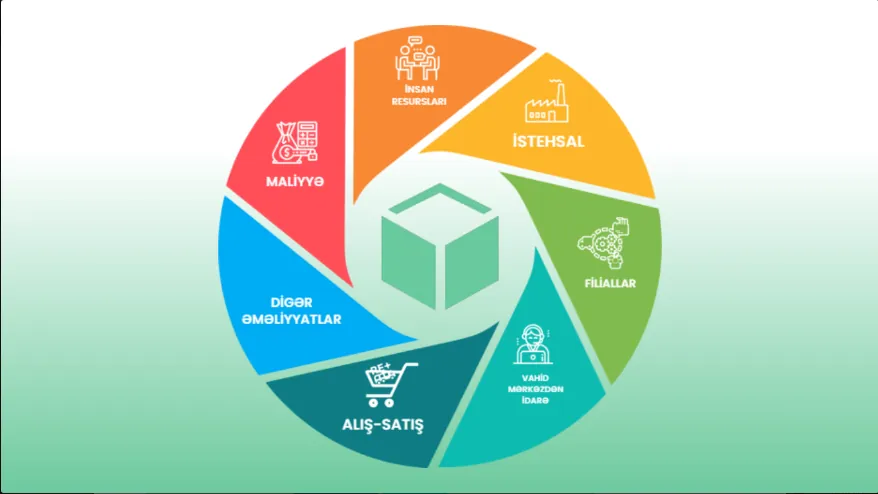
In the digital age, information flows quickly and diversely. If data related to all processes—from sales to warehouse, production to finance—are fragmented across different systems, making decisions becomes very difficult.
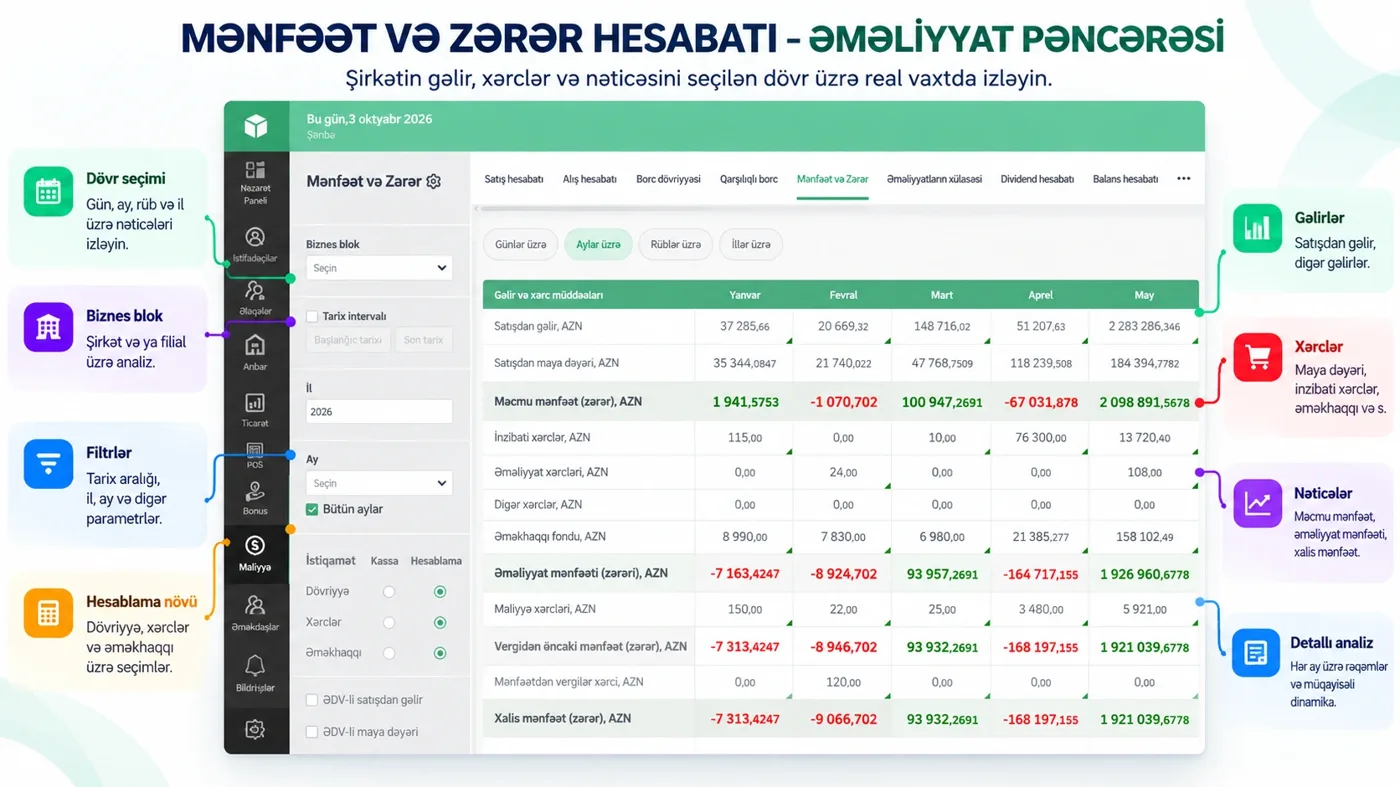
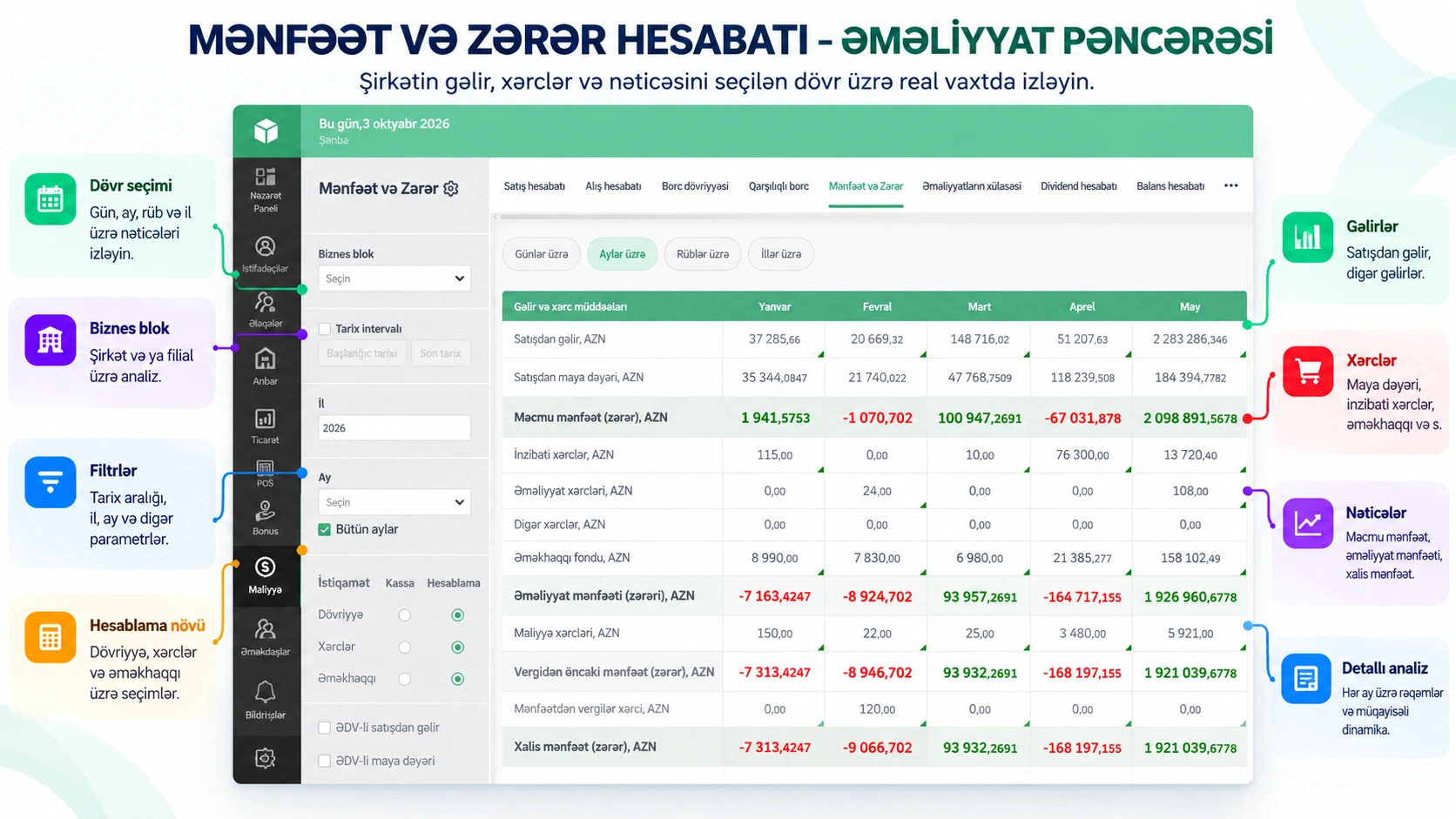
ERP systems unify all this data on a single platform and provide it in real time. This allows managers to make fast, well-founded, and informed decisions. As a result, agility — the most crucial factor for success in the digital era — is ensured.
- Automation — Preventing Human Errors and Time Loss
In digital business, time is very valuable. Manual data entry, report preparation, and document management are things of the past. ERP systems simplify and optimize these processes through automation.
This increases employee productivity and reduces costs and risks. At the same time, automated processes improve customer experience since orders are executed faster and error-free.
- Digital Integration — Cloud and Mobile Capabilities
Today’s ERP systems differ from traditional desktop programs as they integrate with cloud-based and mobile applications. This provides business owners and managers the ability to monitor and manage their operations anytime, anywhere.
For example, Prospect ERP’s cloud-based solutions enable small and medium businesses to remotely manage both financial and production processes. This ensures business continuity and flexibility in the digital age.
- Analytics and Forecasting — Artificial Intelligence and Big Data
In the digital age, collecting data alone is not enough. Analyzing it and forecasting for the future increases business competitiveness. Modern ERP versions use artificial intelligence and big data technologies to optimize sales trends, demand forecasting, and resource planning.
This allows small and medium entrepreneurs to respond timely to market changes and take advantage of new opportunities.
- Customer-Oriented Approach — More Transparent and Effective Communication
Customer relations are more important and complex in the digital era. ERP systems centralize customer data, order history, and service levels. This enables personalized service and higher service quality.
This increases customer satisfaction and builds long-term relationships, which is a key factor for business sustainability.
- Digital Security and Data Protection
Data security comes to the forefront in the digital age. ERP systems are equipped with modern encryption and security mechanisms to protect critical business data. This increases the trust of entrepreneurs and managers.
Prospect ERP — Your Reliable Partner in the Digital Age
Prospect ERP offers ERP solutions based on modern technologies tailored to local market needs. Our modules meet all the requirements of digital business with cloud management, analytics, automation, and mobile applications.
If you want to align your business with the challenges of the digital age, get to know Prospect ERP modules and prepare for the digital future.
Conclusion: Digital Age and ERP — The Business Management Model of the Future
The digital age is not just about increasing technology; it is a change in business management approaches. ERP systems stand at the center of these changes and create a competitive advantage for businesses of all sizes.
Those who adopt technology on time become market leaders. To be one of these leaders, you need to start your digital transformation with ERP.