Small and medium business owners are constantly looking for more agile and affordable solutions due to limited resources. SaaS (Software as a Service)-based ERP systems provide budget-friendly and easy-to-use tools that meet these needs. In this article, we will discuss how SaaS ERP systems can be highly beneficial for small and medium businesses and how to select the best solution for your needs.
1. What is SaaS-Based ERP and How Does It Work?
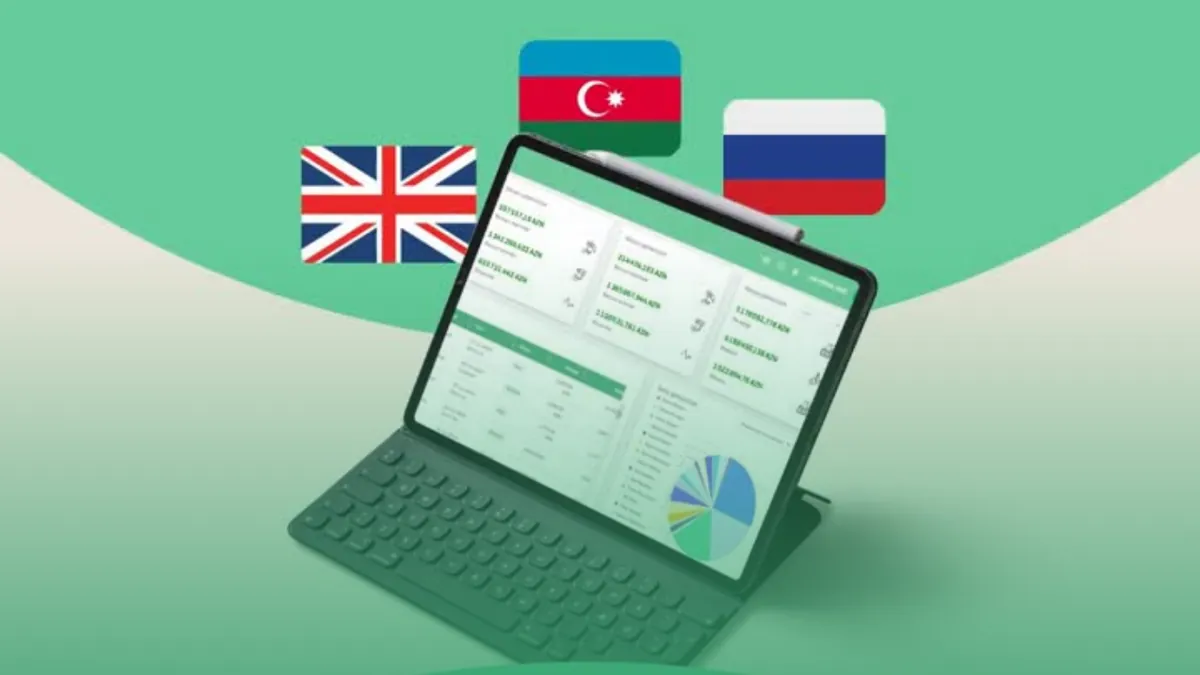
SaaS-based ERP systems, unlike traditional ERPs, are software applications offered over the internet and used by clients. These systems are generally provided as a service, so businesses do not need to install the software on local servers. With the SaaS model, customers pay a subscription fee for the services they use, thus minimizing initial costs.
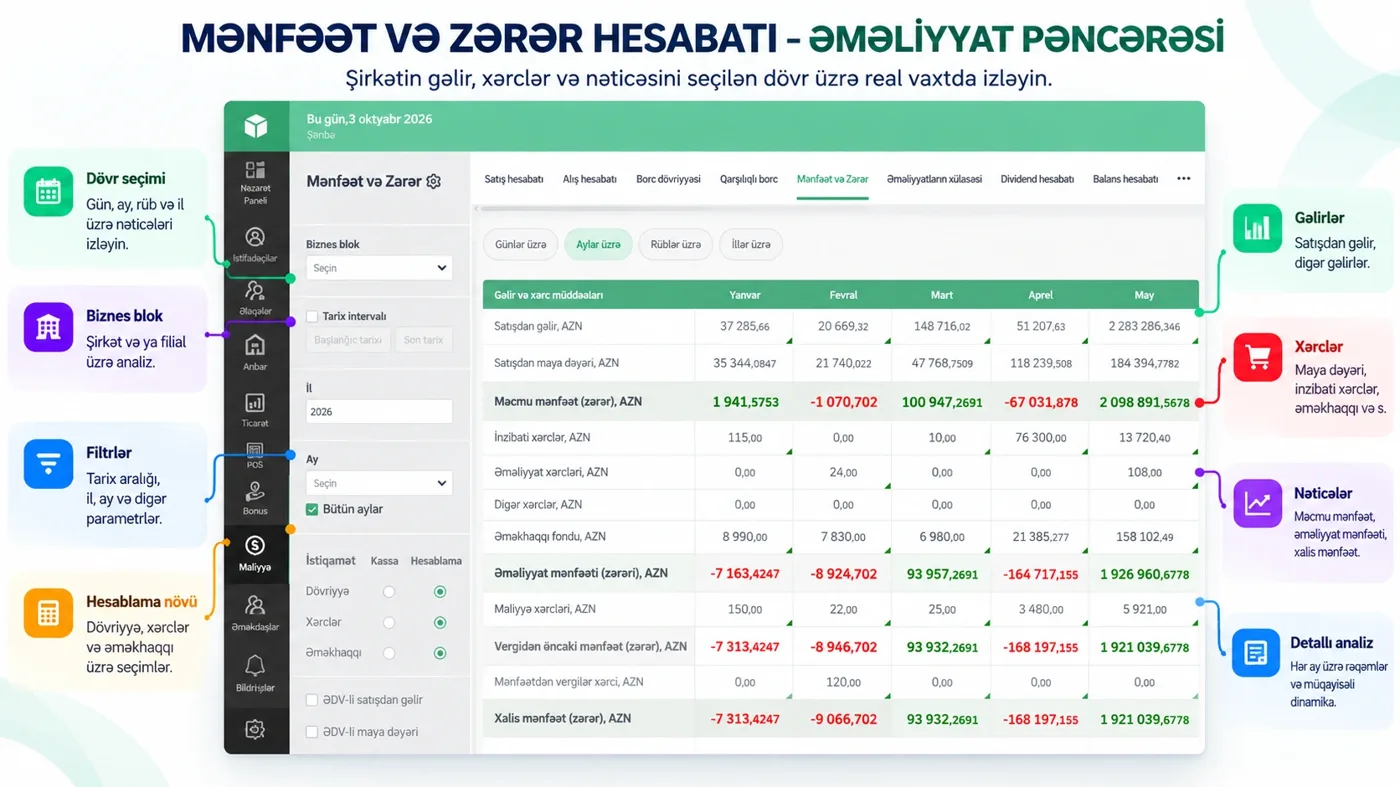
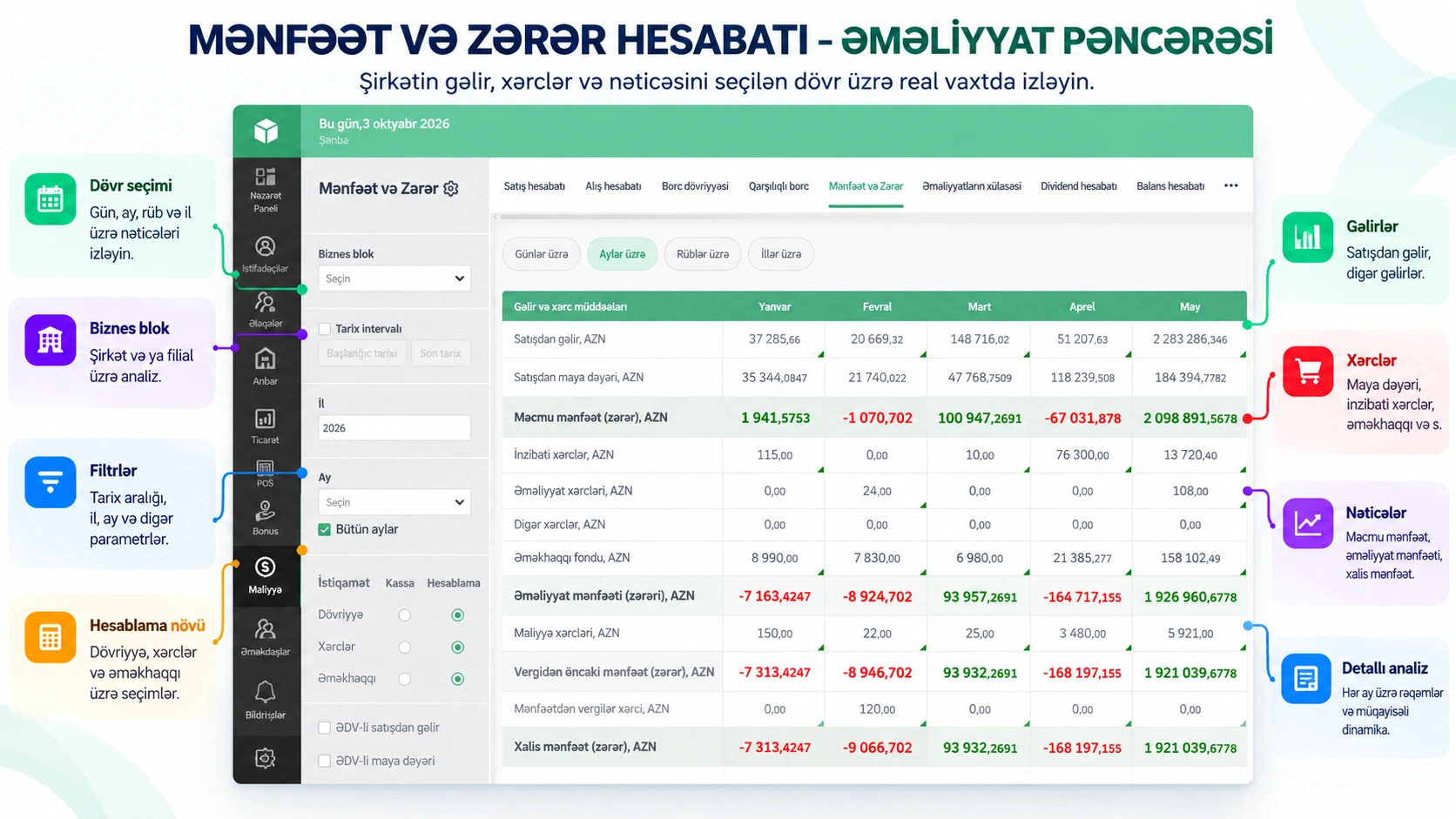
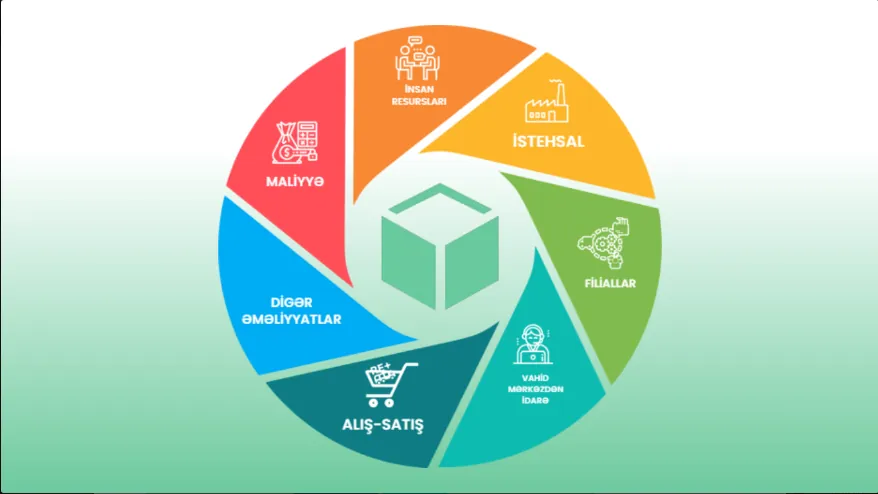
SaaS ERP systems centralize core business areas such as manufacturing, sales, finance, and human resources, storing all data in the cloud. This ensures that companies can access their ERP systems anytime, anywhere, from any device.
2. Key Advantages of SaaS ERP for Small and Medium Businesses
SaaS ERP offers a budget-friendly and flexible solution for small and medium business owners. The key benefits of this system include:
- Lower Initial Costs: SaaS ERP systems have much lower initial costs compared to traditional ERP systems because no server or infrastructure setup is required.
- Ease of Use: Most SaaS ERPs are user-friendly and have simple interfaces, making it easier for small businesses to quickly implement the system.
- Automatic Updates and Technical Support: SaaS ERP services automatically update, ensuring customers are always using the latest version. At the same time, the provider offers technical support to assist with any issues.
- Work from Anywhere, Anytime: SaaS ERP systems are accessible from anywhere with an internet connection, which is especially beneficial for businesses with multiple offices.
3. Key Factors to Consider When Selecting a SaaS ERP
When selecting a SaaS ERP, it’s essential to consider the following key factors:
- Module Selection: SaaS ERP systems come with various modules, so it’s crucial to choose one that fits your business’s specific needs (e.g., sales, inventory management, and finance).
- Infrastructure and Data Security: You should understand where your company’s data will be stored and what security measures are in place.
- Flexibility and Scalability: The flexibility of SaaS ERP systems ensures they can scale more easily, but selecting the right system to match your company’s growth is crucial.
Support and Service Quality: Choosing a provider that offers high-quality technical support is essential for long-term success.