Here are the 7 most common mistakes made by companies operating without an ERP (Enterprise Resource Planning) system:
1. Storing data in multiple, disconnected places
Sales in Excel, debts in a notebook, order details in email… When companies work like this, their data becomes scattered, making accurate analysis impossible.
2. Increase in human errors
Manual data entry systems are prone to inevitable mistakes:
- Incorrect pricing
- Forgotten orders
- Mixed-up payments
ERP minimizes these errors through automation.
3. Weak interdepartmental communication
Sales say one thing, warehouse another. Finance is unaware of both. This results in poor internal coordination and dissatisfied customers.
4. Wasted time and slow decision-making
Looking through multiple files and programs to find a single piece of information means wasting time — and delays in making the right decisions.
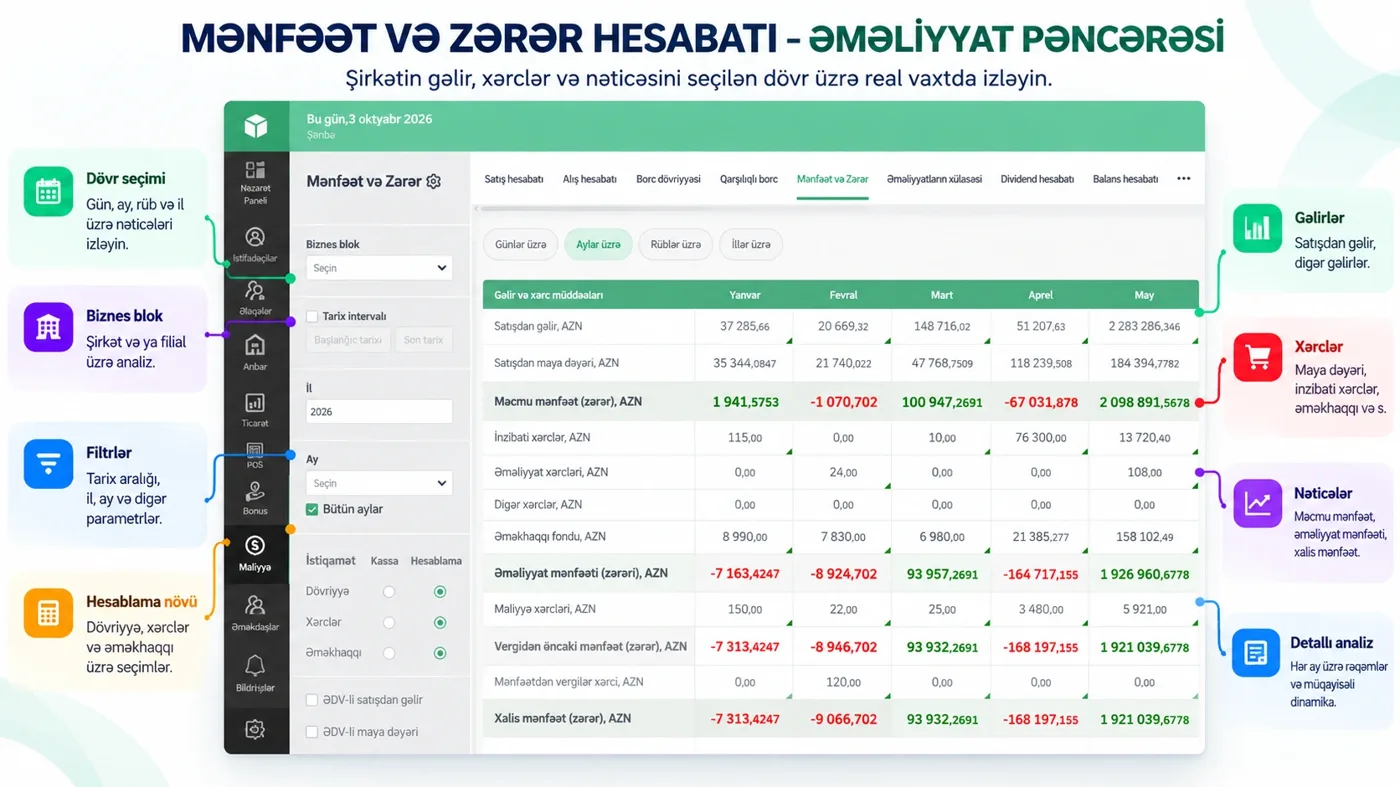
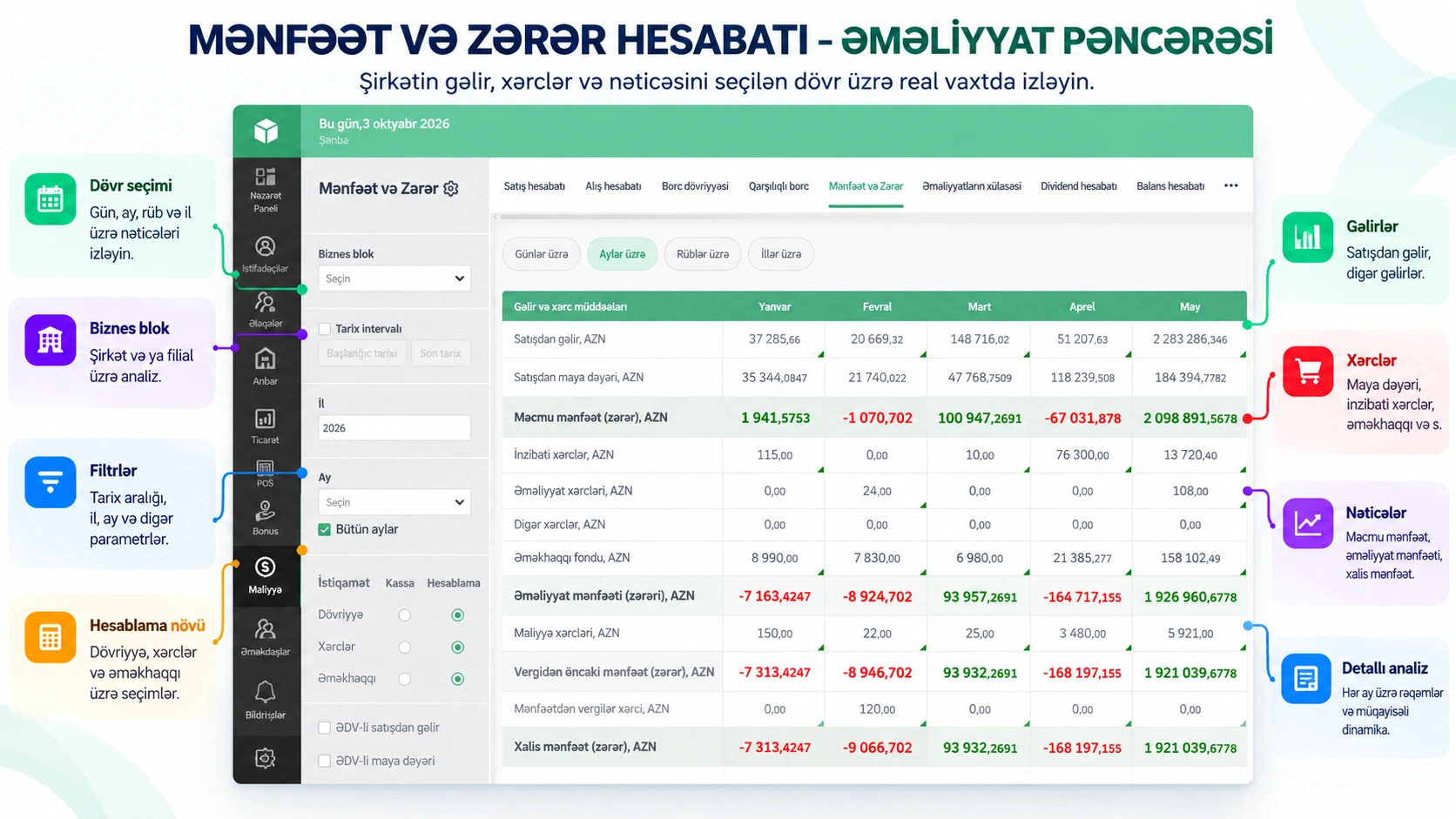
5. Lack of accurate reporting
Business owners sometimes don't have a clear picture of their company's real status. Sales volume, costs, debts, turnover — the lack of accurate, real-time data can lead to poor strategic decisions.
6. Hiring more staff instead of reducing workload
As operations grow, instead of setting up systems, businesses hire more people. This increases costs but doesn’t solve the root of the problem.
7. Decline in customer satisfaction
Delayed orders, lost information, unanswered calls — all of these can lead to losing customers. ERP keeps processes under control and improves the overall customer experience.
Conclusion
A business managed without an ERP system is full of hidden but costly errors. If you don’t want to repeat these mistakes, now is the time to make a decision.
ERP is not just a program — it’s a new level of business management. Build tomorrow’s system today to avoid the mistakes of today.